

Comparison of Core Differences Between Flat Rings and Circular Rings
The fundamental difference between the two lies in their cross-sectional shapes, which directly determine their sealing properties, installation requirements, and scope of application.
| Comparison Dimensions | Flat seal rings (rectangular / flat washers) | Circular seal rings (O-rings) |
| Cross-sectional shape |
Rectangular (flat) | Circular |
| Core Advantages | 1. Large fitting area, uniform pressure on the sealing surface, and higher waterproof and dustproof ratings. 2. Thin thickness, saving installation space, suitable for compact lens modules. |
1. Extremely strong resilience, can quickly recover shape after being compressed, with strong compensation ability.
2. High tolerance for assembly tolerances, able to adapt to slight vibrations or displacements.
|
| Main Disadvantages |
1. Poor resilience; once the structure shifts after installation, the sealing effect is prone to failure.
2. It has extremely high requirements for the flatness of the installation surface; otherwise, local leakage points are likely to occur.
|
1. The fitting area is small, and its effect is slightly inferior to that of the flat ring in static high-pressure sealing scenarios.
2. The thickness is relatively large, which will occupy more installation space.
|
| Common Materials | NBR、FKM | NBR、VMQ、FKM |
More Segmented Application Scenarios
Beyond the basic principle of "selecting flat rings for static applications and O-rings for dynamic applications", there are more specific scenario classifications in the practical application of automotive lenses, especially when it comes to Automotive Seal selection.
1. Typical Applications of Flat Seals (a Type of Precision Automotive Seal)
Sealing between the lens front cover and lens barrel: This is the frontmost sealing part of the lens, featuring a fixed structure that needs to resist direct exposure to rainwater and dust. The large bonding surface of the flat seal enables IP68-level deep waterproofing, making it an ideal choice for this critical Automotive Sealing Assemblie component.
Fixed sealing between the lens module and vehicle body bracket: After installation, there is almost no displacement at this location, and the overall thickness needs to be minimized as much as possible. The flat seal can ensure sealing reliability within limited space, perfectly fitting into the required Automotive sealing solution for compact structures.
Internal sealing of high-precision lenses: Some lenses contain optical components inside, which require an absolutely static sealing environment. The stable characteristics of the flat seal can prevent imaging accuracy from being affected by seal deformation, serving as a key Precision Seals for Car Lenses.
2. Typical Applications of O-Rings (a Common Automotive Seal)
Movable parts of adjustable lenses: For example, some Car Camera Silicone Seals are used in vehicle-mounted cameras that support angle adjustment. The rotating or sliding interfaces of these cameras require follow-up sealing, and the high resilience of O-rings ensures constant adhesion at all times.
Sealing between lenses and cable connectors: When cables are plugged in/out or slightly shaken, O-rings can compensate for tiny gaps at the connectors, preventing moisture from seeping in through the joints. This makes them an essential part of Automotive Connector and Lens Seals.
Low-cost, small-batch lens modules: O-rings have lower requirements for molds and installation processes, which can reduce the risk of seal failure caused by insufficient assembly precision. This cost-effective feature makes them suitable for small and medium-batch production, aligning with the economical needs of certain Automotive sealing solution scenarios.
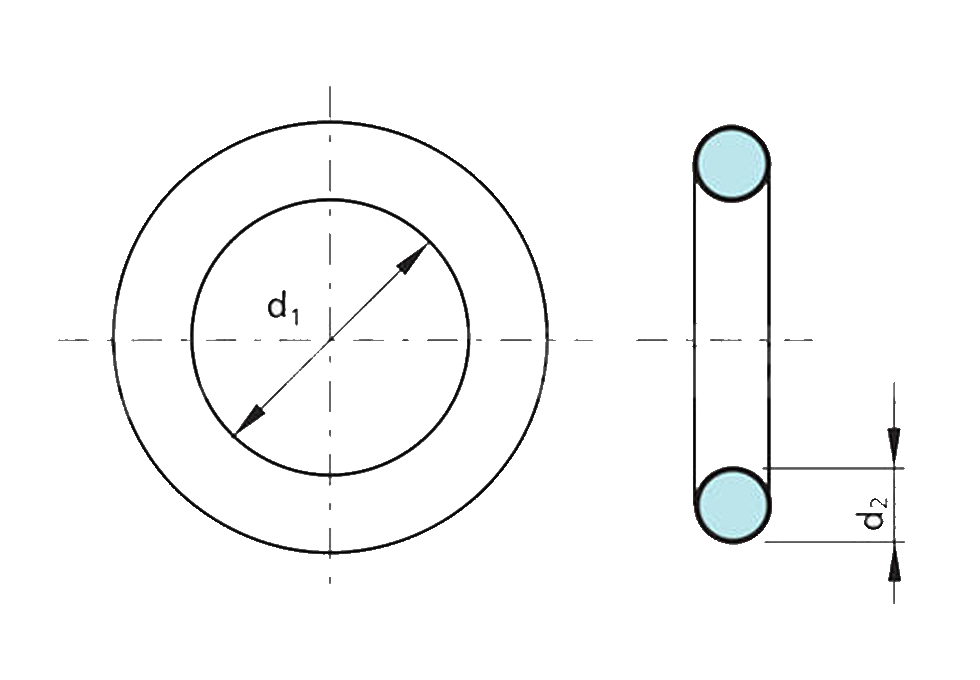 |
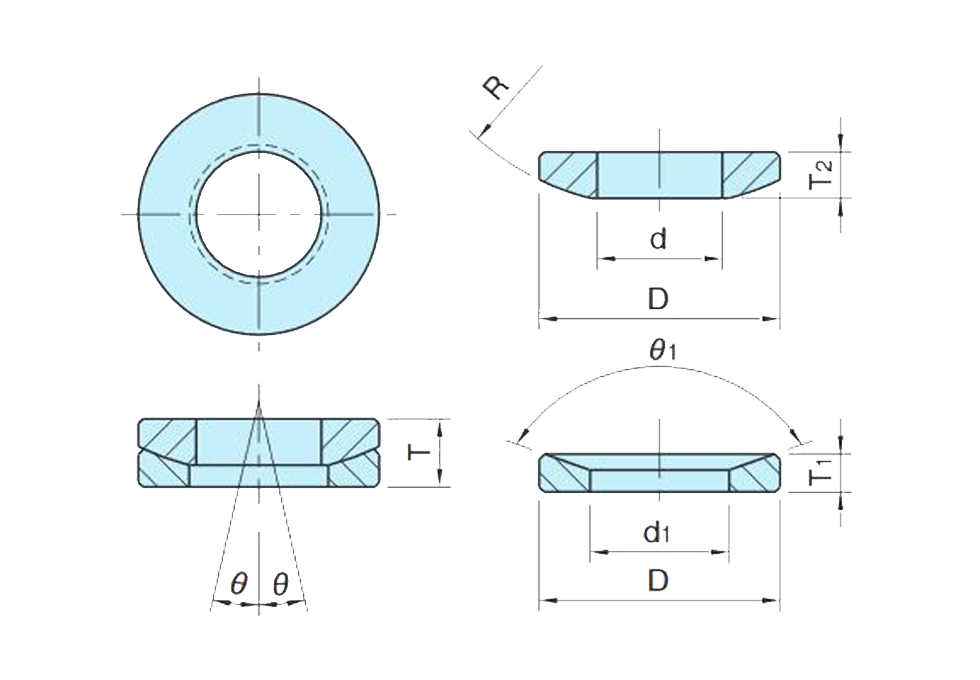 |
Three Key Decision-Making Factors for Seal Selection
In actual seal selection, the following three factors should be prioritized, and then a judgment should be made based on the above differences and application scenarios, ensuring the final choice meets the requirements of Automotive Sealing Assemblie and specific functional needs.
1. Installation Space Constraints
If the lens module is designed to be very compact, especially when the front-to-back thickness is less than 2mm, flat seals (a type of Precision automotive seal) should be prioritized, as they can fit into narrow spaces without compromising sealing performance.
If there is sufficient installation space and the seal needs to accommodate assembly errors, O-rings are a better choice, as their flexible structure allows for greater adaptability to minor dimensional deviations.
2. "Dynamic/Static" Nature of the Structure
For completely static connections (such as between the lens cover and the housing), flat seals are preferred. Their stable, non-deformable structure ensures more reliable sealing, making them suitable for static Automotive Sealing Assemblie scenarios.
For connections with slight movement (such as the base of a rotatable lens), O-rings must be selected. Their high elasticity can adapt to the dynamic changes of the structure, effectively avoiding seal failure caused by repeated movement—this is particularly critical for dynamic Precision Seals for Car Lenses.
3. Environmental Resistance Requirements
If the lens is installed in parts of the vehicle that are vulnerable to impact and water exposure, such as the vehicle underbody or bumper, flat seals should be prioritized. Their large bonding surface can provide stronger impact-resistant sealing capabilities, meeting the harsh environmental demands of these Automotive Seal applications.
If the lens is installed in a relatively mild environment, such as the interior rearview mirror, and requires frequent disassembly and maintenance, O-rings are more convenient. Their good resilience can adapt to the sealing needs after repeated disassembly and assembly, making them a practical option for easy-maintenance Car Camera Silicone Seals and similar components.