

In the pump and valve manufacturing sector, the precision and reliability of sealing
components are critical variables for ensuring the stability of industrial fluid systems. As
industries such as petrochemicals, water treatment, and energy demand higher
performance in extreme environments, sealing components must maintain stable
physical and chemical properties under high pressure, corrosive media, and significant
temperature fluctuations. To address these trends, Doit Rubber has completed a strategic
upgrade of its production lines by introducing advanced high-precision rubber molding
equipment.

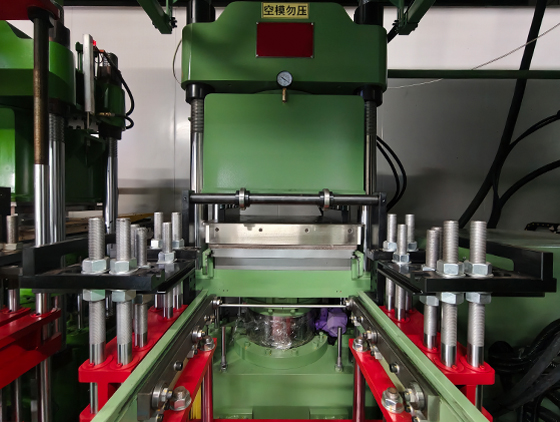
The newly implemented molding equipment features significant improvements in
hardware architecture and control logic compared to traditional machinery. The
technical advantages are categorized into three primary dimensions:
High-Precision Pressure Compensation System: This system enables micron-level
displacement control during the clamping process. By ensuring uniform
distribution of rubber material within the mold cavity, it eliminates flash or
material shortage caused by uneven pressure, significantly improving the
dimensional consistency of O-rings and custom seals.
Thermal Field Distribution Technology: The equipment is configured with a
precision thermocouple array that maintains temperature variances within ±1°C
across the mold. A stable thermal environment ensures thorough and uniform
vulcanization, optimizing key physical indicators such as hardness, tensile strength,
and compression set.
Vacuum-Assisted Molding Process: Integrated high-efficiency vacuum systems
remove air from the mold cavity prior to compression. This refinement eliminates
internal porosity and impurity defects, substantially increasing the structural
integrity of products in ultra-high-pressure applications.
The microscopic quality of seals directly influences the operational safety of macroscopic
equipment. Through this technological upgrade, Doit Rubber’s sealing components
exhibit enhanced adaptability. In terms of fatigue resistance, uniform vulcanization
results in a longer service life within valve systems subject to frequent cycling. Regarding
media compatibility, precise molding reduces surface micro-cracks, thereby lowering the
rate of chemical degradation. Furthermore, the equipment allows for the production of
ultra-thin or complex non-standard seals, meeting the requirements for miniaturized and
precision-engineered industrial devices.
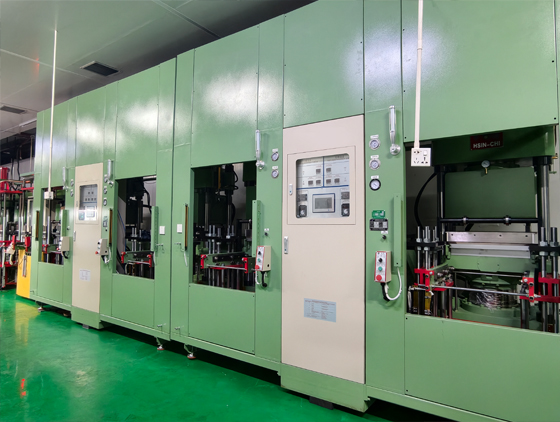
Beyond hardware enhancements, Doit Rubber has optimized its quality management
system. The new equipment supports comprehensive data acquisition, recording
parameters such as temperature, pressure, and dwell time for every production cycle.
Digitalized Monitoring: Integration with ERP systems allows production managers
to monitor real-time equipment status and receive alerts for process deviations,
ensuring stable yield rates.
Quality Traceability: All production data is linked to batch numbers. In the event
of field anomalies, the company can trace back to specific production timestamps
and original process parameters for data-driven improvement.
Operational Efficiency: The use of automated de-molding and cleaning devices
reduces cycle times, improving the company’s responsiveness to large-scale orders.
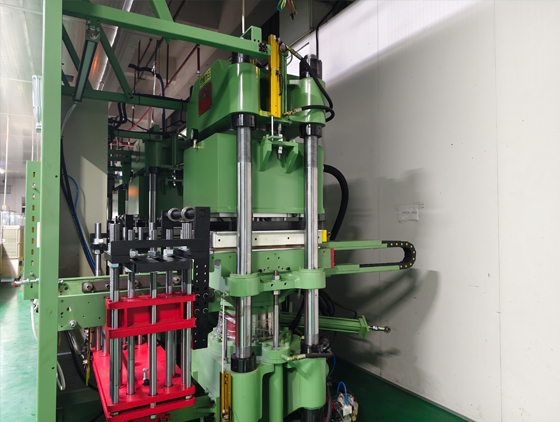
The investment in high-precision molding equipment marks a transition from labor-
intensive manufacturing to technology-driven precision engineering. By enhancing
manufacturing tolerances, Doit Rubber aims to reduce maintenance costs and leakage
risks for global pump and valve manufacturers, providing sealing solutions that comply
with increasingly stringent industrial standards.