

Automotive sealing components operate in some of the most demanding environments inside a vehicle. They must withstand temperature changes, mechanical vibration, chemical exposure, pressure fluctuations, and long-term aging while maintaining reliable sealing performance. Selecting the appropriate rubber material is therefore one of the most important steps in developing durable automotive components.
Different vehicle systems require different sealing characteristics. A rubber seal used near an engine environment may need excellent heat and oil resistance, while a sealing component installed in an exterior electronic system may require strong weather resistance and waterproof protection.
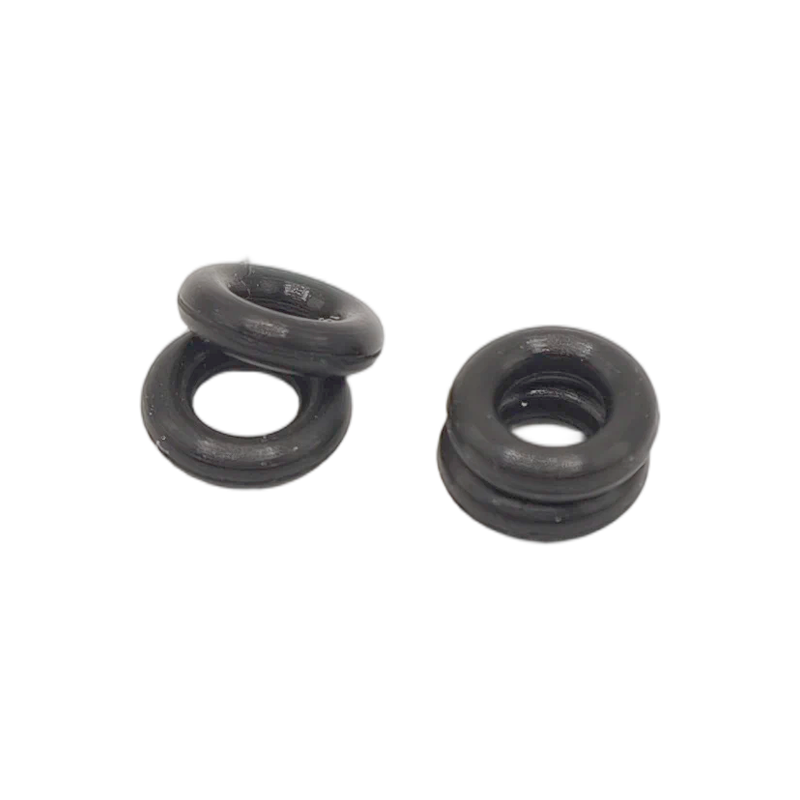
According to the International Organization for Standardization (ISO), material performance evaluation plays an important role in ensuring the reliability of industrial rubber products. As automotive technology continues to develop, engineers and an automotive purchasing manager increasingly focus on material capability rather than only product appearance or initial cost.
Why Does Rubber Material Selection Matter in Automotive Applications?
Rubber materials determine how sealing components respond to different operating conditions. Even a well-designed sealing structure may fail if the selected material cannot withstand the actual working environment.
Temperature, chemical exposure, compression conditions, and environmental factors all influence rubber performance. Incorrect material selection may cause problems such as hardening, cracking, swelling, or loss of elasticity.
| Performance Requirement | Potential Material Challenge | Impact on Sealing |
|---|---|---|
| High temperature resistance | Material aging under heat exposure | Reduced elasticity and sealing force |
| Chemical resistance | Rubber swelling or degradation | Increased leakage risk |
| Weather resistance | Ozone and UV exposure | Surface cracking and aging |
| Compression durability | Permanent deformation | Loss of long-term sealing performance |
Understanding these factors helps manufacturers develop suitable sealing solutions for different automotive environments instead of applying the same material across all applications.
Which Rubber Materials Are Commonly Used for Automotive Sealing Parts?
Several rubber materials are widely used in automotive sealing applications because each material provides unique advantages. Engineers select materials according to temperature range, chemical conditions, and expected service life.
- EPDM Rubber: Provides excellent resistance against weather, ozone, and moisture. It is commonly used for applications exposed to outdoor environments.
- Silicone Rubber: Offers stable performance across a wide temperature range and maintains flexibility under changing conditions.
- FKM Rubber: Provides strong resistance against high temperatures, fuels, and aggressive chemicals.
- NBR Rubber: Offers good resistance to petroleum-based oils and is suitable for specific fluid sealing applications.
A proper rubber material selection guide helps engineers evaluate the advantages and limitations of each material before moving into mold development and mass production.
How Do Different Rubber Materials Perform Under Automotive Conditions?
The automotive industry requires sealing components to perform consistently over many years. Material characteristics directly influence product reliability during actual vehicle operation.
| Rubber Material | Main Advantages | Typical Automotive Applications |
|---|---|---|
| EPDM | Weather resistance, water resistance, ozone durability | Exterior seals, waterproof applications |
| Silicone | Temperature stability, flexibility | Electronic sealing, sensor protection |
| FKM | Heat and chemical resistance | Engine-related sealing systems |
| NBR | Oil resistance and good mechanical properties | Fluid and oil sealing applications |
Data from ASTM International testing standards shows that rubber materials are commonly evaluated through compression set, tensile strength, hardness, and aging resistance tests. These evaluations help manufacturers understand how materials behave after extended exposure to operating conditions.
What Problems Can Wrong Rubber Material Selection Cause?
Material mistakes may not appear during initial production testing but can create serious issues after components enter real operating environments.
Common problems include:
- Premature aging: The rubber loses flexibility earlier than expected due to unsuitable environmental resistance.
- Seal deformation: Continuous pressure causes permanent shape changes.
- Chemical damage: Contact with oils or fluids affects material structure.
- Performance instability: Different production batches may show inconsistent sealing results.
These issues increase maintenance requirements and may affect the reliability of larger automotive systems. Selecting suitable automotive rubber seals requires consideration of the complete application environment, not only the basic sealing function.
How Should Engineers Evaluate Rubber Materials Before Production?
Material evaluation should begin before mold manufacturing. Early analysis allows engineers to reduce development risks and improve production efficiency.
Important evaluation factors include:
- Operating temperature range
- Exposure to chemicals or automotive fluids
- Compression requirements
- Expected service lifetime
- Environmental conditions such as humidity and weather exposure
Laboratory testing combined with application analysis helps confirm whether the selected material can meet performance requirements. This process is especially important for customized sealing parts used in safety-related automotive systems.
How Does Material Expertise Improve Automotive Seal Manufacturing?
High-quality sealing production requires more than rubber molding capability. Manufacturers need knowledge of material characteristics, tooling design, and application requirements to develop reliable components.
A professional supplier should be able to support customers with:
- Material recommendation based on application conditions
- Customized rubber formulation development
- Prototype testing support
- Mass production quality control
For an automotive purchasing manager, evaluating supplier expertise in material selection can reduce development risks and improve long-term supply stability.
How Does DOIT Rubber Support Automotive Rubber Material Applications?
DOIT Rubber provides customized rubber sealing solutions by combining material knowledge, precision molding technology, and production quality management. The company develops sealing components based on different automotive requirements, including temperature resistance, waterproof performance, and long-term durability.
Reliable automotive sealing performance starts with the right material selection. From initial design evaluation to final production inspection, every stage influences the service life and reliability of rubber components. Proper material selection helps automotive systems achieve safer operation, lower maintenance requirements, and improved overall performance.