

As manufacturing competition shifts from production scale to technological density, innovation capability is evolving from a “value-add” into a prerequisite for survival. For precision manufacturing enterprises, the continued expansion of downstream markets — driven by the surge in the new energy vehicle industry, advancements in medical device technology, and the rapid iteration of smart electronics — imposes rigorous demands on the supply chain. It requires not only zero-defect delivery but also a comprehensive test of R&D responsiveness, quality traceability, and the potential for continuous iteration. Against this backdrop, R&D capability is no longer merely the function of a single department; it has become a strategic pivot point through which an enterprise defines its own value.
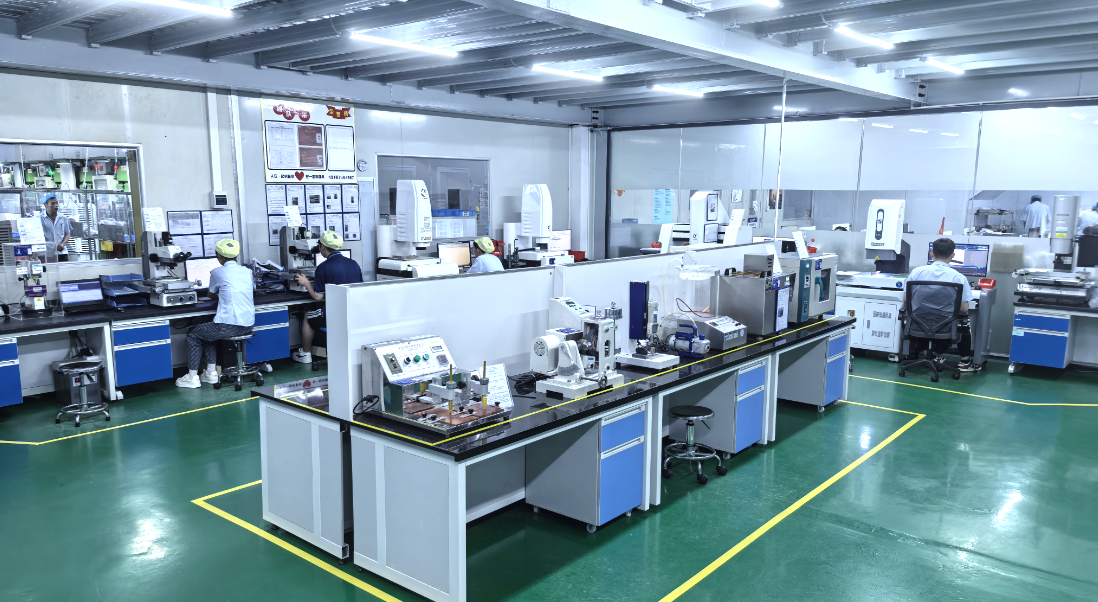
The practices of Doit Rubber Products Co., Ltd. (international brand: DoitRubber) offer a micro-level perspective on this trend. Its R&D capability building is not merely a matter of isolated laboratory investment but a structured, multi-tiered system for tackling technical challenges: a core R&D team of 15 serves as the hub, three specialized R&D groups act as the vanguard for key breakthroughs, and a technical engineering team of over 30 handles the translation of results into practice. This architecture ensures a seamless transition from fundamental material research to the implementation of mass-production processes. The company has amassed over 30 patents covering structural design, process optimization, and sealing solutions — achievements that represent not only tangible technical barriers but also a repository of knowledge reflecting the company’s understanding of customer pain points and its ability to anticipate industry trends.
The true value of R&D lies in translating innovative capabilities into tangible manufacturing realities. In product development, DoitRubber demonstrates more than just mold design expertise; it engages deeply from the very source — material application and selection. Its ability to optimize sealing solutions and offer flexible, customized development signifies a capacity for collaborative R&D with clients, moving beyond the role of a passive manufacturer working from blueprints. This evolution from mere “manufacturing execution” to “collaborative R&D” marks a pivotal step for a precision manufacturing enterprise seeking a higher position within the value chain.
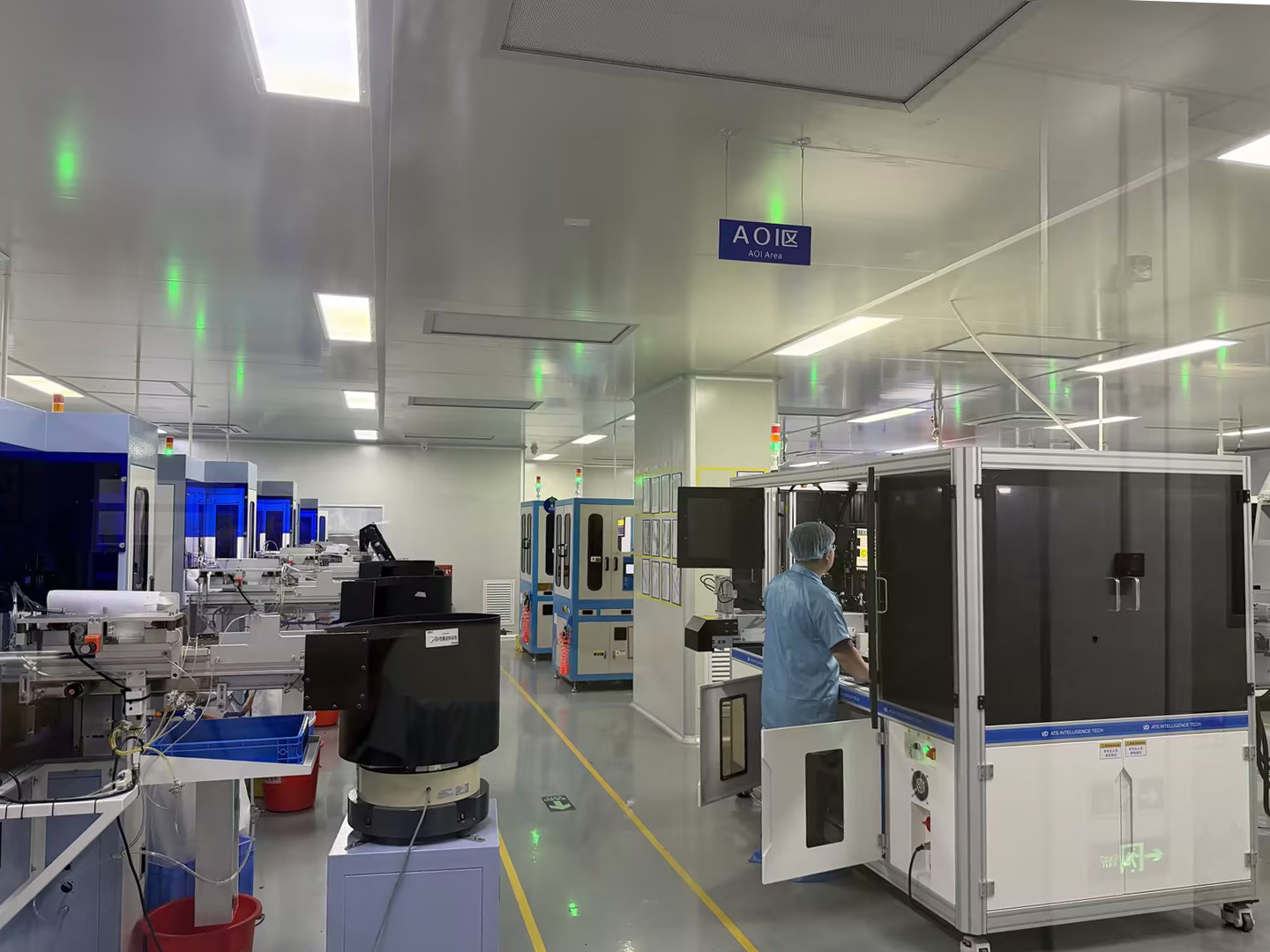
A robust quality assurance system serves as the vertical extension and closed-loop support for these R&D capabilities. By implementing a quality management model that spans the entire lifecycle — from R&D and production to inspection — and by adopting advanced technologies like Automated Optical Inspection (AOI), the company demonstrates a quality philosophy that transcends simple final inspections; instead, it prioritizes quality achieved through upfront design and comprehensive process control. Obtaining certifications such as ISO9001, IATF16949, and ISO13485 not only grants market access but also establishes a standardized framework for effective communication with global clients. Building on years of deep technical expertise, the company has been recognized as a “National High-Tech Enterprise” and a “Specialized, Refined, Distinctive, and Innovative” (SRDI) SME. Leveraging this solid foundation, DoitRubber is now actively pursuing designation as a national-level SRDI “Little Giant” enterprise.
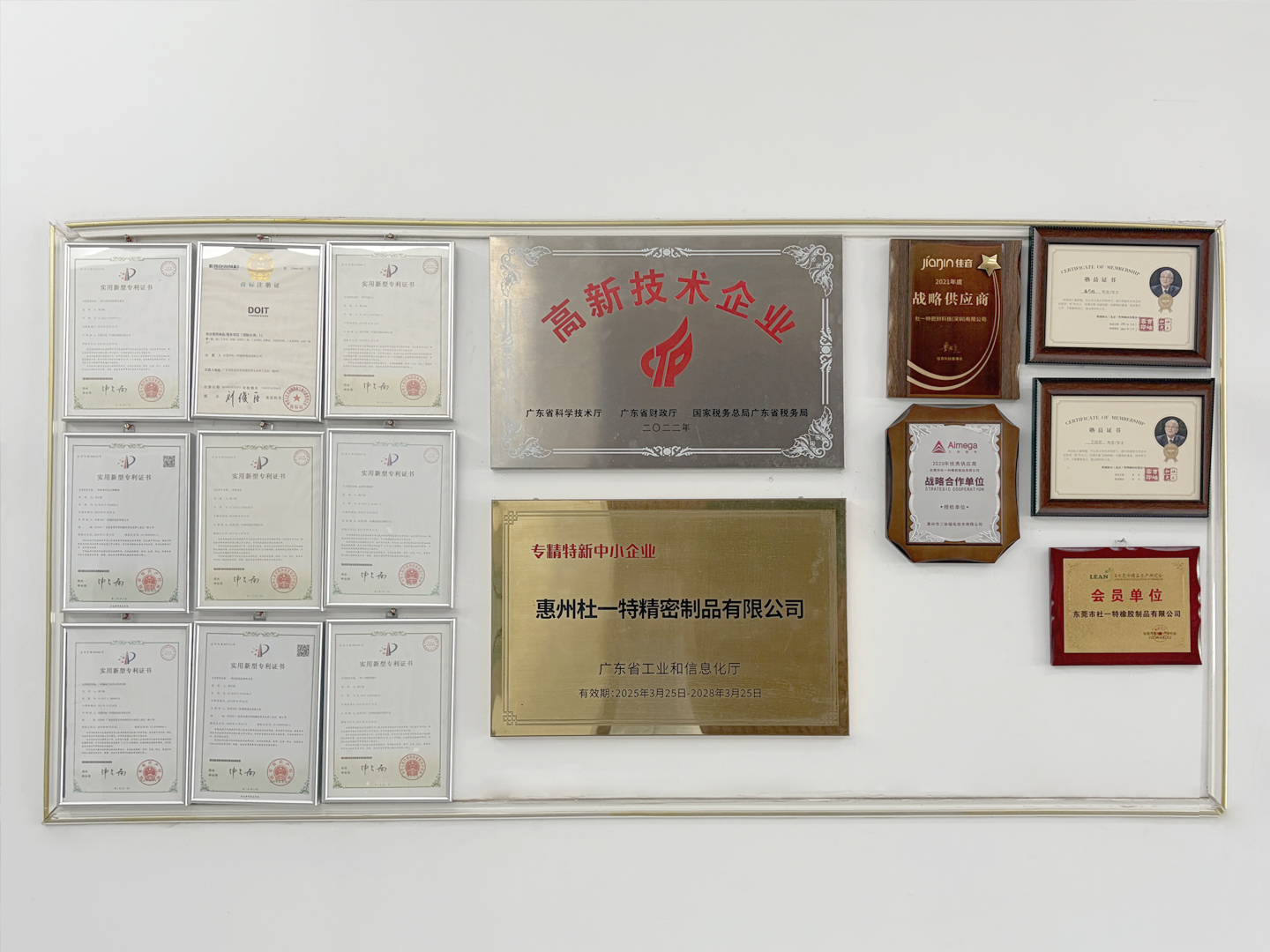
The reason R&D innovation serves as a source of long-term competitiveness for precision seal manufacturers lies in its ability to foster an “antifragile” development structure. In an era of rapid technological iteration and volatile demand, only enterprises capable of continuous learning and evolution can transform uncertainty into opportunity; the drive to achieve the status of a national-level “Little Giant” (specialized, refined, distinctive, and innovative enterprise) powerfully validates this logic — it represents not merely a static review of past achievements, but a dynamic recalibration for the competitive landscape of the future.
Ultimately, competition in precision manufacturing is a contest defined by both the depth of R&D capabilities and systemic efficiency. As more enterprises come to realize that the number of patents does not equate to true innovation capacity — and that system certifications do not guarantee quality — the decisive factor separating the leaders from the rest will be organizational capability: the ability to weave R&D, engineering, quality control, and production into a cohesive, organic network. DoitRubber’s experience demonstrates that excelling in the niche sector of precision rubber and silicone seals requires more than just advancements in materials science and manufacturing processes; it demands a corporate mechanism capable of continuously generating, validating, and translating innovative outcomes. This mechanism may well be the most reliable source of certainty for precision manufacturing enterprises navigating an uncertain era.