

The cost of a molded rubber component is influenced by far more than the price of rubber material. Tooling quality can affect production efficiency, dimensional consistency, scrap rates, maintenance requirements, and the number of adjustments needed during mass production. For customized sealing components, a poorly controlled mold may therefore create hidden costs long after the initial tooling quotation has been approved.
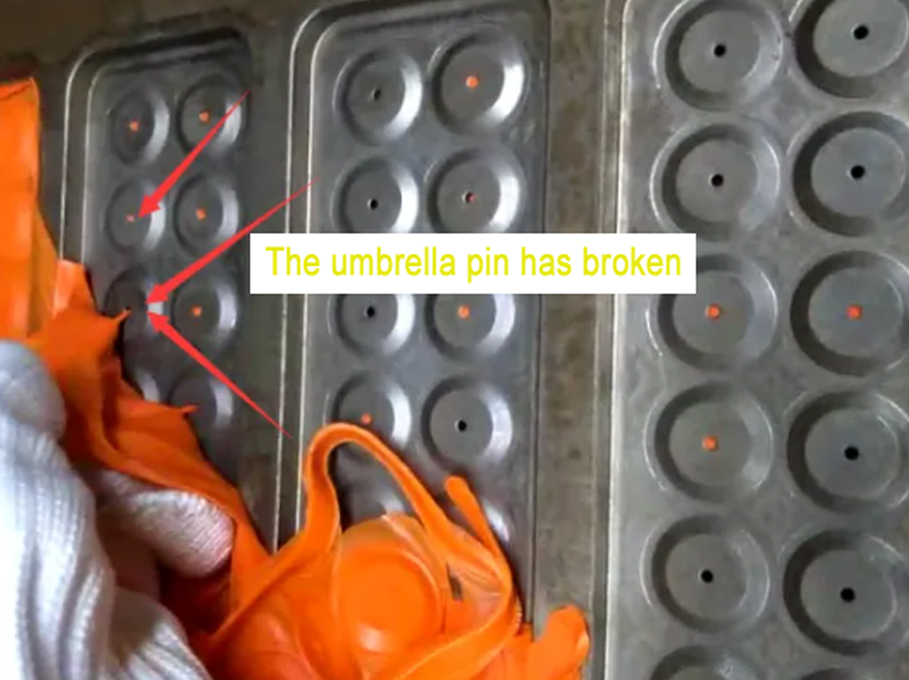
Understanding the relationship between tooling and production cost helps manufacturers make better decisions before mass production begins. A properly engineered rubber seal mold can support stable dimensions and repeatable production, while inadequate tooling may create recurring flash, dimensional variation, difficult demolding, and unnecessary inspection work.
Why Does Rubber Mold Quality Affect More Than Tooling Cost?
Tooling is the physical interface between the molding process and the finished rubber component. Cavity geometry, parting lines, venting, demolding structure, and dimensional accuracy all influence how consistently the component can be produced.
A mold that requires frequent adjustment may appear inexpensive at the beginning but become costly during production. Each correction can involve machine downtime, additional inspection, material loss, or delayed delivery. The total tooling cost should therefore be considered together with its effect on production efficiency.
| Mold Quality Factor | Potential Cost Impact |
|---|---|
| Cavity accuracy | Influences dimensional consistency |
| Parting-line control | Affects flash and finishing requirements |
| Venting design | Can influence molding defects |
| Demolding structure | Influences cycle efficiency and part damage |
How Can Mold Accuracy Reduce Production Waste?
Dimensional accuracy becomes especially important when rubber components have to fit precisely into an assembly. A deviation in cavity geometry can be repeated across a production run, increasing the number of components that require sorting or rejection.
For sealing applications, dimensional inspection can include measurements of inside diameter, outside diameter, thickness, profile, or other application-specific features. ASTM D3767 is one of the established practices listed for rubber dimension measurement, illustrating the importance of standardized dimensional evaluation within the rubber industry. :contentReference[oaicite:4]{index=4}
Better tooling does not automatically eliminate every production defect, but accurate and stable tooling provides a stronger foundation for controlling dimensional variation.
Can Mold Design Influence Cycle Efficiency?
Mold design affects how efficiently rubber material can be filled, cured, and removed. Difficult demolding may increase handling time or cause damage to thin sections and delicate geometries. Poor venting can also contribute to molding defects that require additional inspection or finishing.
Production efficiency becomes increasingly important as order quantities increase. A small delay per molding cycle can accumulate into significant production time across thousands of parts.
Manufacturers therefore need to consider cycle stability during mold development rather than evaluating tooling only according to whether the first samples meet their dimensional requirements.
Why Does Flash Control Matter to Total Cost?
Flash is a common consideration in molded rubber products because excess material may appear around the mold parting line or other areas of the component. Some products can tolerate limited flash, while precision sealing parts may require much tighter control.
Excessive flash can create additional trimming or finishing work. In some applications, it may also affect assembly or functional performance. A carefully designed parting structure helps reduce unnecessary secondary processing.
The financial impact is therefore not limited to material loss. Labor, machine time, inspection, and handling can all contribute to the actual cost of controlling flash.
How Does Mold Maintenance Protect Long-Term Production Cost?
Even a well-designed mold can experience wear after repeated production cycles. Parting surfaces, cavities, vents, and other areas may gradually change condition. Without appropriate maintenance, dimensional consistency can become more difficult to maintain.
Preventive maintenance allows potential problems to be identified before they create large quantities of nonconforming products. Maintenance records can also help manufacturers determine whether a recurring defect is associated with tooling condition.
For a precision rubber molding process, mold maintenance should therefore be treated as part of production quality control rather than as an occasional repair activity.
What Happens When a Low-Cost Mold Requires Frequent Adjustments?
A lower initial tooling price may appear attractive, but the economic result can change if the mold requires repeated modifications. Each adjustment may involve engineering time, machining, testing, sample production, and production interruption.
- Repeated tooling adjustments can increase development time.
- Additional sampling can increase material consumption.
- Production interruptions can affect delivery schedules.
- Higher inspection requirements can increase labor costs.
- Repeated defects can create additional sorting and rework.
For this reason, tooling decisions should be evaluated using total production cost rather than mold price alone.
Which Mold Features Should Be Reviewed Before Production?
A technical mold review should connect the tooling structure with the intended production requirements. Important questions include whether the cavity dimensions are appropriate, whether the parting line is positioned effectively, whether the component can be removed without damage, and whether the mold can support the expected production volume.
A practical review can include:
- Product geometry: Identify thin walls, deep sections, and complex profiles.
- Parting structure: Evaluate potential flash and trimming requirements.
- Venting: Consider how trapped air will be released during molding.
- Demolding: Review whether the finished component can be removed consistently.
- Maintenance: Establish inspection and cleaning requirements before mass production.
These considerations are particularly relevant to Pressure Seal Components, Sealing Elements for Valves, and other customized sealing products where dimensional consistency influences final assembly.
How Can Manufacturers Balance Mold Quality and Product Cost?
The objective should not be to build the most expensive mold possible. The better approach is to match tooling design with product complexity, tolerance requirements, production quantity, and expected service life.
Simple components may not require the same tooling complexity as precision sealing components with tight tolerances or complex geometries. Engineers can therefore evaluate tooling according to functional requirements instead of applying the same mold strategy to every product.
ASTM's active rubber standards include methods covering hardness, compression, dimensions, compression set, and other physical properties. These standards demonstrate why production tooling should be considered alongside material and performance requirements rather than as an isolated manufacturing expense. :contentReference[oaicite:5]{index=5}
How Can a Rubber Molding Manufacturer China Support Cost Control?
An experienced rubber molding manufacturer china can contribute to cost control before tooling is finalized. Manufacturing feedback can help identify unnecessary tolerances, difficult geometries, excessive secondary processing, or mold structures that may create avoidable production costs.
DOIT Rubber combines product design, mold development, molding, and inspection capabilities, allowing tooling considerations to be evaluated alongside the finished component requirements. This integrated approach can help manufacturers balance precision, production stability, and overall project cost.
Mold quality affects product cost because tooling determines many of the conditions under which production takes place. Accurate cavities, controlled parting lines, effective venting, reliable demolding, and planned maintenance can reduce waste and repeated adjustments. Looking beyond the initial mold quotation gives manufacturers a more realistic understanding of the long-term cost of rubber component production.