

Modern vehicles contain hundreds of electrical connectors that support sensors, cameras, lighting systems, battery management units, and control modules. Many of these components operate in environments exposed to rain, road splash, dust, humidity, and temperature fluctuations. Once moisture enters a connector assembly, corrosion, signal interruption, and electrical failure may occur. As vehicle electronics continue to increase, preventing water ingress has become a critical aspect of connector design.
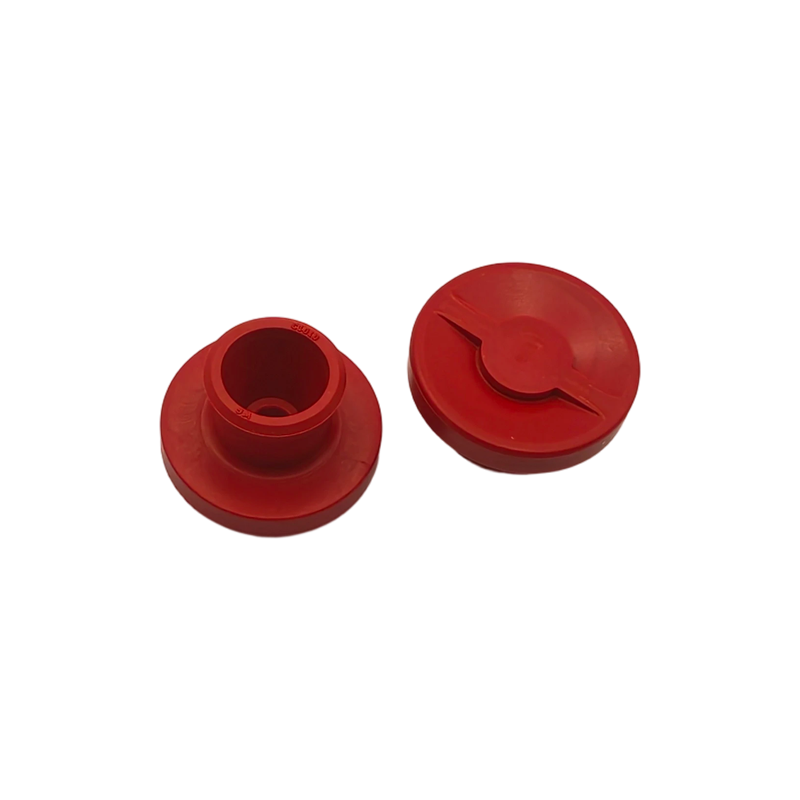
Why Are Automotive Connectors Vulnerable To Water Ingress?
Electronic connectors are exposed to complex environmental conditions throughout their service life. Water can enter through cable entry points, housing joints, damaged seals, or insufficient compression areas. Even a small leakage path may gradually introduce moisture into the system.
For this reason, a properly engineered connector seal must maintain consistent contact pressure while accommodating vibration, thermal expansion, and long-term environmental exposure.
How Does Seal Geometry Improve Waterproof Performance?
Sealing geometry directly influences the effectiveness of environmental protection. Multi-lip profiles, compression ribs, and precision sealing grooves help create multiple barriers against moisture intrusion. Uniform compression is particularly important because localized gaps can compromise the entire sealing system.
Many advanced automotive waterproof connector seal designs incorporate customized sealing profiles that match the connector housing structure and expected operating conditions.
| Design Factor | Contribution To Waterproofing |
|---|---|
| Multi-Lip Structure | Creates multiple sealing barriers |
| Compression Control | Maintains sealing contact force |
| Precision Tolerance | Reduces leakage paths |
| Material Recovery | Supports long-term sealing stability |
Which Materials Are Commonly Used For Connector Seals?
Material selection depends on temperature range, chemical exposure, UV resistance, and service life requirements. Automotive applications frequently require elastomers capable of maintaining flexibility after years of environmental exposure.
ASTM D2240 hardness testing and ASTM D395 compression set testing are commonly used to evaluate elastomer performance. Compression set resistance is particularly important because excessive permanent deformation can reduce sealing effectiveness over time.
Why Is Environmental Testing Essential?
Laboratory testing helps validate sealing performance before mass production. Automotive connector systems are often evaluated under thermal cycling, humidity exposure, vibration testing, and water ingress testing conditions.
IEC 60529 IP testing standards are widely referenced when evaluating environmental protection performance. Higher protection requirements generally demand tighter dimensional control and more robust sealing structures.
How Do Precision Automotive Seals Improve Reliability?
Applications involving Vehicle Camera Seal Ring, Automotive Lens Sealing Ring, and Car Camera O-Ring require extremely stable sealing performance because moisture intrusion can affect image quality, sensor functionality, and overall system reliability.
Well-designed Precision automotive seals help maintain stable operation throughout long service periods while reducing maintenance risks associated with environmental exposure.
What Should Manufacturers Focus On During Development?
- Optimize seal geometry for uniform compression.
- Select materials based on actual operating conditions.
- Validate waterproof performance through testing.
- Control molding tolerances during production.
- Evaluate long-term compression set behavior.
DOIT Rubber develops customized automotive sealing products and connector sealing components for demanding applications. Through material engineering, tooling control, and precision manufacturing, sealing systems can be optimized to improve environmental protection performance.
Reliable waterproofing begins with proper design rather than corrective maintenance. Combining suitable materials, controlled compression, precision manufacturing, and environmental validation creates connector sealing systems capable of supporting long-term automotive reliability.