

Pump systems are expected to operate continuously under pressure, vibration, temperature fluctuations, and fluid exposure. Even a small sealing defect can lead to leakage, efficiency loss, contamination, or unexpected downtime. According to reliability studies published by fluid equipment organizations, sealing failures account for a significant percentage of pump maintenance events across industrial systems. As a result, high-performance sealing components have become a critical part of modern pump design.
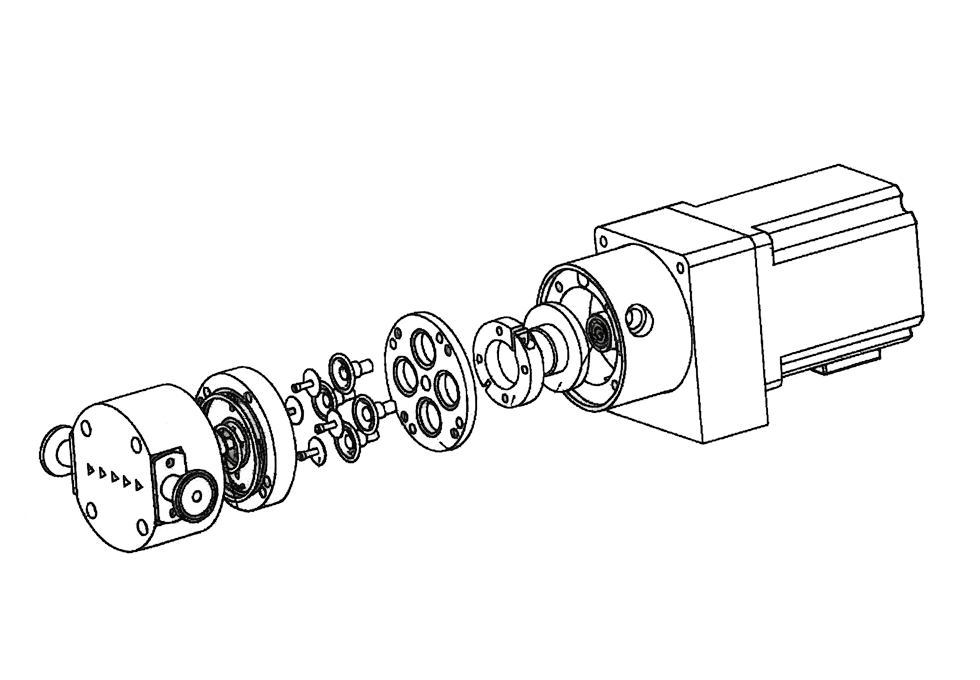
Why Are Rubber Seals Critical In Pump Applications?
Seals maintain fluid containment while protecting internal components from contaminants. During operation, pumps generate pressure changes and mechanical movement that place continuous stress on sealing interfaces. Well-designed pump rubber seals help maintain stable sealing force and reduce leakage risks throughout the equipment lifecycle.
Which Factors Affect Pump Seal Performance?
Several variables influence sealing reliability, including fluid chemistry, operating temperature, pressure fluctuations, and shaft movement. Materials with poor compression recovery may lose sealing force over time, while incompatible compounds can swell or harden after fluid exposure.
- Fluid compatibility
- Compression set resistance
- Temperature stability
- Wear resistance
- Dimensional accuracy
How Can Seal Design Improve Efficiency?
Effective pump sealing performance improvement often begins with optimized seal geometry. Proper compression ratios help distribute sealing force evenly, reducing localized wear and leakage paths. Precision molding also improves consistency between production batches.
| Performance Factor | Benefit |
|---|---|
| Material Stability | Longer service life |
| Accurate Dimensions | Better sealing consistency |
| Chemical Resistance | Reduced degradation |
| Elastic Recovery | Stable sealing pressure |
Where Are Advanced Pump Seals Commonly Used?
Applications involving Sealed Diaphragm Pump, Sealed Fluid Transfer Pump, and Micro Sealed Hydraulic Pump require sealing systems capable of maintaining performance during repeated operating cycles. These systems often depend on precision elastomer components to ensure long-term operational stability.
What Should Manufacturers Evaluate Before Production?
ASTM D395 compression set testing and ASTM D471 fluid compatibility testing are commonly used to verify seal performance. Evaluating materials under actual operating conditions helps reduce failure risks before equipment enters service.
DOIT Rubber develops customized sealing solutions for fluid-control applications through material engineering, tooling optimization, and precision molding processes. Reliable pump operation depends on more than the pump itself. Durable sealing materials, optimized design, and manufacturing consistency work together to support higher efficiency and longer equipment life.