

Medical devices often operate in environments where cleanliness directly affects performance, reliability, and safety. Silicone components used in diagnostic equipment, fluid handling systems, respiratory devices, and laboratory instruments may come into contact with sensitive substances during operation. Because of these requirements, manufacturers increasingly rely on controlled production environments to minimize contamination risks and maintain product consistency.
Industry guidance from ISO 14644 cleanroom standards highlights the importance of controlling airborne particles during manufacturing. Even microscopic contaminants can influence the performance of sealing systems and precision medical assemblies.
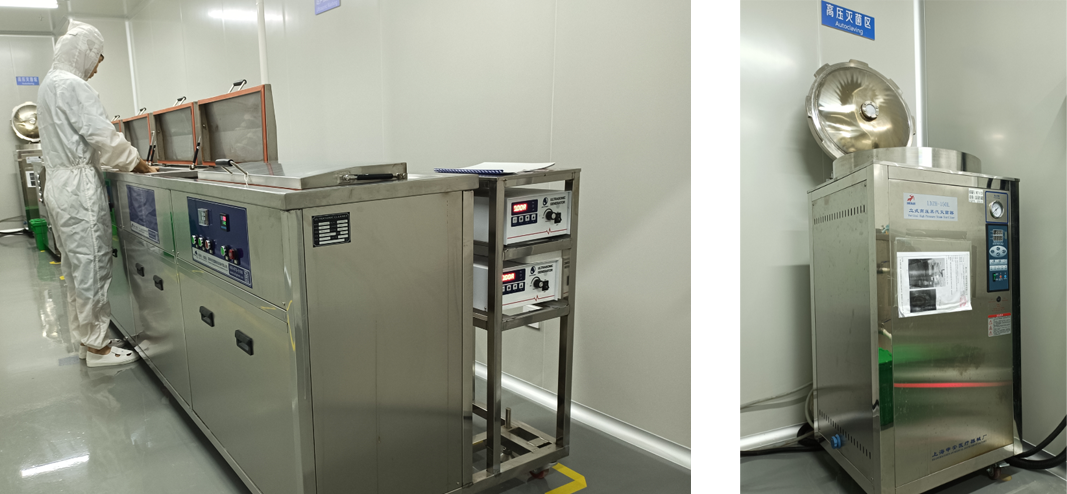
Why Is Contamination Control So Important?
Medical silicone products frequently require stable physical properties and high surface cleanliness. Dust particles, fibers, processing residues, or environmental contaminants may interfere with sealing performance or compromise downstream manufacturing processes.
High-quality medical silicone parts are therefore produced under carefully controlled conditions that reduce contamination throughout molding, inspection, and packaging operations.
Which Manufacturing Areas Require The Strictest Controls?
Critical processes often include raw material preparation, molding, post-curing, trimming, inspection, and final packaging. Maintaining cleanliness across these stages helps prevent foreign particle introduction.
- Controlled employee entry procedures
- Air filtration systems
- Dedicated production equipment
- Clean packaging environments
- Traceable quality inspections
How Do Clean Environments Improve Product Consistency?
Production consistency is not only influenced by tooling and process parameters. Environmental control also plays a significant role in reducing variability. Medical manufacturers often require repeatable dimensions, stable hardness values, and consistent sealing performance across production batches.
| Controlled Factor | Potential Benefit |
|---|---|
| Air Cleanliness | Reduced particulate contamination |
| Environmental Monitoring | Improved process stability |
| Controlled Packaging | Lower contamination risk during shipment |
| Personnel Procedures | Better manufacturing consistency |
Which Medical Products Benefit From Cleanroom Production?
Products such as Sterile Medical Seals, Medical Grade Silicone Seals, Ventilator Seals, and Cryovial Sealing Rings often require strict contamination control due to their application environments. Consistent manufacturing conditions help maintain dimensional accuracy and material integrity throughout production.
How Does Clean Manufacturing Support Regulatory Requirements?
Medical device manufacturers frequently evaluate suppliers based on process controls, traceability systems, and environmental management procedures. Controlled production environments help support documentation requirements while reducing quality risks associated with uncontrolled manufacturing conditions.
DOIT Rubber develops custom silicone and rubber components for medical, laboratory, industrial, and fluid-control applications. Through controlled manufacturing processes and strict quality management, silicone components can achieve the consistency required for demanding healthcare environments.
Clean production environments are not simply an operational preference. They form an essential part of quality assurance, helping medical silicone components maintain reliability, cleanliness, and performance throughout their intended service life.