

Many sealing and rubber component projects begin with a drawing rather than a finished product. A technical drawing may define dimensions, tolerances, materials, and performance requirements, but converting those specifications into a manufacturable product requires extensive engineering involvement. Successful development depends on understanding not only what the drawing shows but also how the component will function throughout its service life.
What Happens After Receiving A Customer Drawing?
The first step is a comprehensive engineering review. Dimensions, tolerance requirements, material specifications, and application conditions must be evaluated before tooling design begins. Early communication can often identify potential manufacturing risks and improve production efficiency.
Professional rubber parts engineering support helps determine whether the proposed design can achieve both functional and manufacturing objectives.
Why Is Material Selection Part Of Engineering Development?
Material performance directly influences sealing effectiveness, durability, chemical resistance, and temperature stability. Engineers often evaluate compression set resistance, hardness requirements, and environmental exposure before recommending suitable compounds.
Applications involving Precision O-ring seals, Rubber Sealing Components, and High-Precision Sealing Parts frequently require tighter material control because even small property variations may affect final performance.
How Does Tooling Influence Product Quality?
Tooling design affects dimensional consistency, flash control, cycle time, and overall production stability. Precision tooling helps achieve repeatable results while supporting long-term manufacturing efficiency.
| Development Stage | Primary Objective |
|---|---|
| Drawing Review | Verify manufacturability |
| Material Evaluation | Select suitable compound |
| Tool Design | Ensure dimensional accuracy |
| Prototype Validation | Confirm performance requirements |
Why Are Prototypes Important?
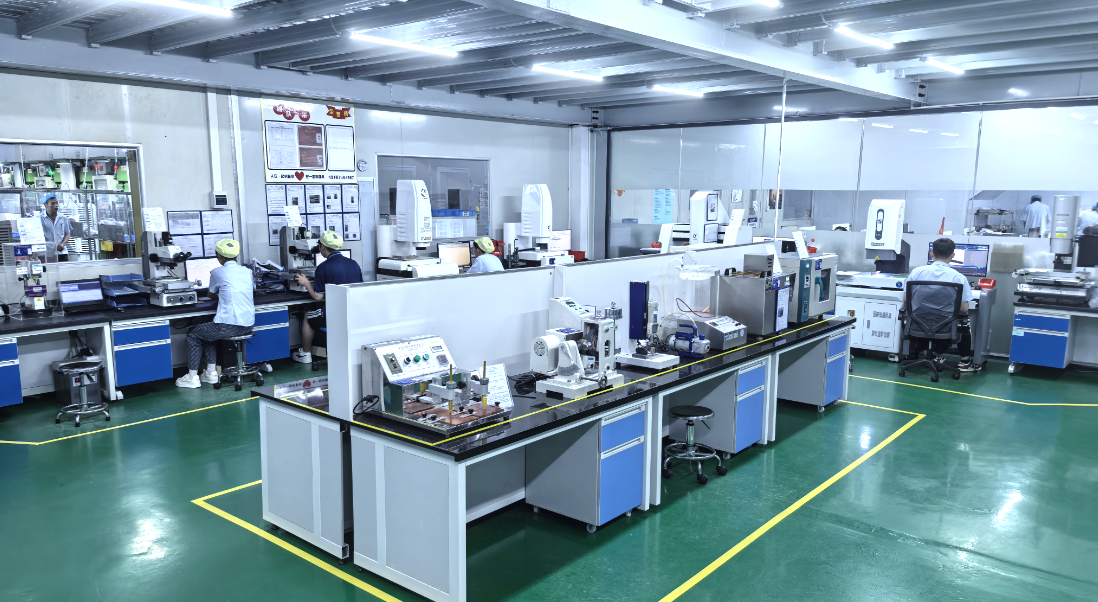
Prototype samples provide an opportunity to validate dimensions, assembly fit, and functional performance before mass production. Many manufacturers conduct compression, aging, and environmental tests during this stage.
Well-developed custom rubber components often achieve higher production stability because potential issues are identified before tooling enters full-scale operation.
How Does OEM Development Support Long-Term Success?
Complex projects often require continuous collaboration between engineering, quality, and production teams. Design optimization may improve moldability, reduce waste, and enhance product reliability.
DOIT Rubber provides OEM rubber components development support through drawing analysis, material engineering, tooling design, and precision manufacturing. By integrating engineering expertise throughout the project lifecycle, custom rubber products can achieve both performance and production goals.
Developing rubber parts from customer drawings is much more than duplicating dimensions. Successful projects combine engineering analysis, material expertise, tooling precision, and validation testing to transform design concepts into reliable production components.