

Modern vehicles are exposed to increasingly challenging operating environments, including heavy rain, road splash, humidity, temperature fluctuations, and chemical contamination. Waterproof protection has become a critical factor affecting vehicle reliability, especially as automotive electronics and electric vehicle systems continue to expand. Rubber sealing components provide an effective solution by creating protective barriers around sensitive areas and preventing water intrusion.
A reliable sealing system helps maintain the performance of electrical connectors, sensors, battery modules, and mechanical assemblies. Without proper sealing protection, moisture can accelerate corrosion, cause electrical failures, and shorten component service life. For this reason, manufacturers are investing more attention into advanced sealing structures and material technologies.
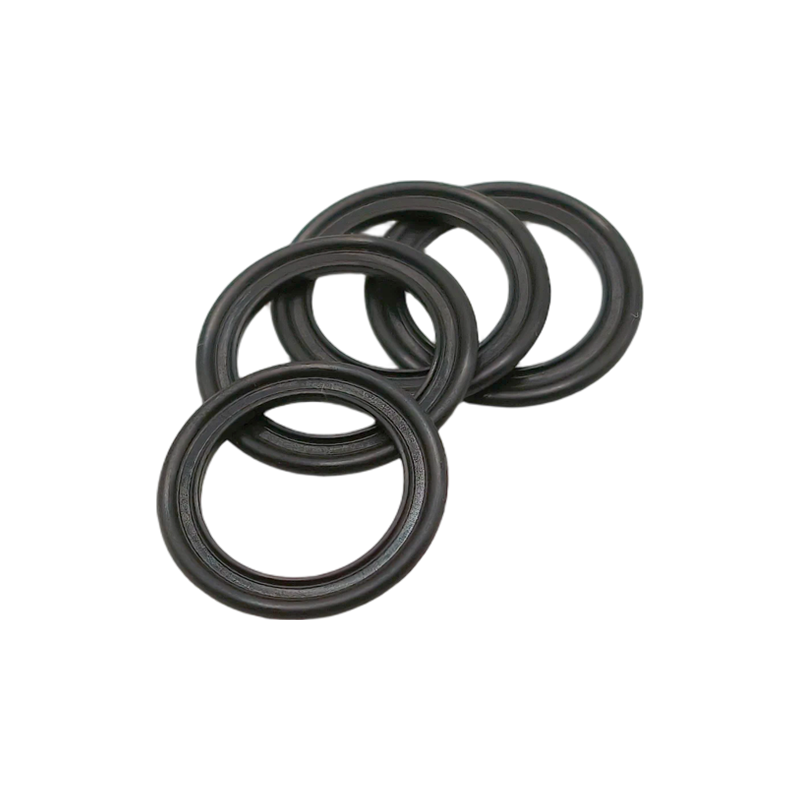
According to the International Energy Agency (IEA), global electric vehicle sales exceeded 14 million units in 2023, increasing the demand for waterproof protection solutions because electric vehicles contain more electronic components than traditional vehicles. High-performance waterproof rubber seals have become an important component in improving vehicle durability and safety.
Why Is Waterproof Protection Important for Automotive Components?
Water exposure is one of the major environmental challenges faced by automotive systems. Vehicles operate outdoors for many years, meaning sealing components must maintain performance under repeated exposure to moisture, vibration, and temperature changes.
Automotive electrical systems are particularly sensitive to water intrusion. Even a small amount of moisture entering a connector or control module may result in oxidation, unstable electrical connections, or system malfunction. Effective sealing design reduces these risks by maintaining a stable barrier between internal components and external environments.
| Automotive Application | Waterproof Protection Requirement | Main Sealing Function |
|---|---|---|
| Electrical Connectors | Prevent moisture and dust entry | Maintain electrical stability |
| Battery Modules | Protect against water exposure | Improve safety and reliability |
| Sensors | Maintain accurate operation | Prevent environmental damage |
| Lighting Systems | Block external moisture | Extend component lifespan |
How Do Rubber Seals Prevent Water Leakage in Vehicles?
Rubber sealing components work by creating controlled compression between connected parts. When installed correctly, the elastic properties of rubber allow the seal to fill small gaps and maintain contact pressure even when components experience vibration or thermal expansion.
The effectiveness of sealing depends on several technical factors, including material selection, compression ratio, surface design, and manufacturing accuracy. Poorly designed seals may lose elasticity over time, resulting in leakage problems during long-term operation.
Professional manufacturers develop automotive waterproof sealing solutions by considering the complete application environment rather than only producing standard sealing parts. This approach helps ensure that the sealing structure matches the actual working conditions of each automotive system.
Which Factors Affect Automotive Waterproof Sealing Performance?
Waterproof performance is influenced by both material properties and production processes. A high-quality rubber seal requires precise control from raw material selection to final inspection.
- Material resistance: Rubber materials need to withstand heat, moisture, chemicals, and aging conditions.
- Compression performance: The seal must maintain suitable pressure without excessive deformation.
- Dimensional accuracy: Precise manufacturing ensures proper installation and consistent sealing.
- Environmental durability: Seals should maintain performance during long-term vehicle operation.
Research from ASTM International shows that rubber materials are commonly evaluated through aging resistance and compression set testing because these factors directly influence long-term sealing reliability. These tests help manufacturers understand how materials perform after extended exposure to heat and environmental stress.
Why Do Electric Vehicles Require Better Waterproof Sealing?
The development of electric vehicles has increased the importance of waterproof protection. Traditional vehicles mainly require sealing for mechanical and fluid systems, while electric vehicles rely heavily on electronic control units, battery systems, and high-voltage connections.
Battery packs and electronic components must remain protected from moisture because water intrusion may affect insulation performance and operational safety. This has created higher requirements for sealing materials, structures, and manufacturing consistency.
The Society of Automotive Engineers (SAE) highlights that environmental protection requirements are becoming increasingly important for vehicle electrical systems, especially as electrification increases the number of sensitive electronic components inside vehicles.
How Can Manufacturers Improve Waterproof Seal Reliability?
Improving waterproof performance requires cooperation between product design, material engineering, and manufacturing control. A reliable sealing solution normally includes the following steps:
- Application analysis: Understanding temperature, pressure, vibration, and moisture conditions before selecting materials.
- Structural optimization: Designing suitable sealing profiles based on installation requirements.
- Precision molding: Maintaining consistent dimensions during mass production.
- Quality inspection: Testing sealing performance to reduce potential failures.
A professional automotive parts supplier should provide technical support throughout the development process, helping customers improve sealing reliability from prototype design to large-scale manufacturing.
What Are the Benefits of Using Customized Rubber Sealing Solutions?
Different automotive applications have different sealing requirements. A connector used in an outdoor environment may need stronger waterproof capability, while a battery-related component may require chemical resistance and long-term durability.
Customized rubber seals provide several advantages:
| Benefit | Value for Automotive Applications |
|---|---|
| Application-specific design | Better matching with vehicle structures |
| Material optimization | Improved resistance against environmental conditions |
| Stable production control | Reduced quality variation |
| Long service life | Lower maintenance requirements |
The automotive industry continues to demand higher reliability from every component, including small sealing parts. Effective waterproof protection helps prevent failures, improve vehicle durability, and support the development of advanced transportation technologies.
How Does DOIT Rubber Support Automotive Waterproof Applications?
DOIT Rubber develops customized rubber sealing components for automotive applications by combining material knowledge, precision molding technology, and quality control processes. The company focuses on producing sealing solutions that meet different environmental requirements, including waterproof protection, temperature resistance, and long-term stability.
Reliable waterproof sealing performance is not only about preventing water leakage. It is about protecting vehicle systems, reducing maintenance risks, and improving overall product reliability. As automotive technology continues to evolve, precision sealing solutions will remain an essential part of safer and more durable vehicle manufacturing.