

Electric vehicles rely on a growing number of electrical systems that require stable protection against moisture, dust, vibration, and temperature changes. Among these systems, connectors play an essential role in transferring power and signals between different vehicle components. However, connector failures caused by poor sealing performance can affect vehicle reliability, safety, and long-term operation.
Water intrusion is one of the most common challenges affecting automotive electrical connections. Once moisture enters a connector housing, it may cause corrosion, insulation problems, and unstable electrical performance. With the rapid growth of electric vehicles, manufacturers are paying more attention to sealing technologies that can protect sensitive electrical systems under complex driving conditions.
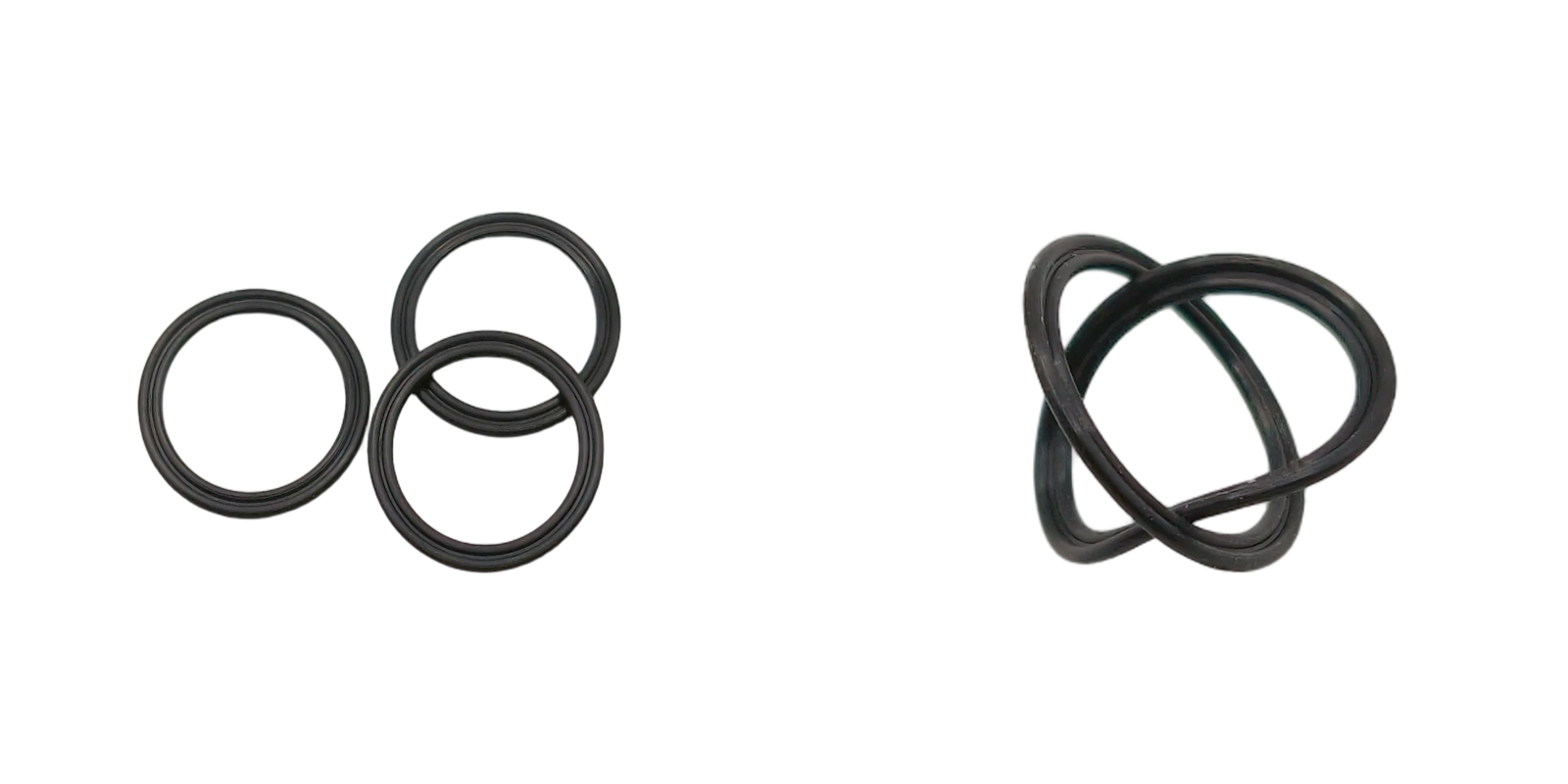
According to the International Energy Agency (IEA), global electric vehicle sales reached more than 14 million units in 2023, representing a significant increase in the number of vehicles that depend on advanced electrical architectures. This development has increased demand for reliable connector sealing components that can maintain performance throughout the vehicle lifecycle.
What Causes Electric Vehicle Connector Seal Failure?
Connector seal failure usually does not happen because of a single factor. It is often the result of combined issues involving material performance, structural design, installation conditions, and environmental exposure.
Electric vehicles operate in environments where connectors may experience rainwater, road spray, temperature cycling, and mechanical vibration. These conditions continuously challenge sealing performance. When a seal loses elasticity or cannot maintain proper compression, small gaps may appear and allow moisture to enter.
| Failure Cause | Impact on Connector Performance |
|---|---|
| Incorrect material selection | Reduced resistance against heat, moisture, or chemicals |
| Poor sealing structure | Water leakage and contamination risk |
| Improper compression level | Loss of sealing pressure during operation |
| Manufacturing variation | Inconsistent product performance |
How Does Water Affect Electric Vehicle Connectors?
Electrical connectors require a stable protective environment because even a small amount of moisture can create long-term reliability issues. Water can accelerate metal oxidation and increase the possibility of electrical resistance changes.
The automotive industry commonly evaluates connector protection through environmental protection ratings. The International Electrotechnical Commission (IEC) defines IP protection levels for electrical equipment, including resistance against water and solid particle intrusion. These standards demonstrate why waterproof performance is a key consideration in connector design.
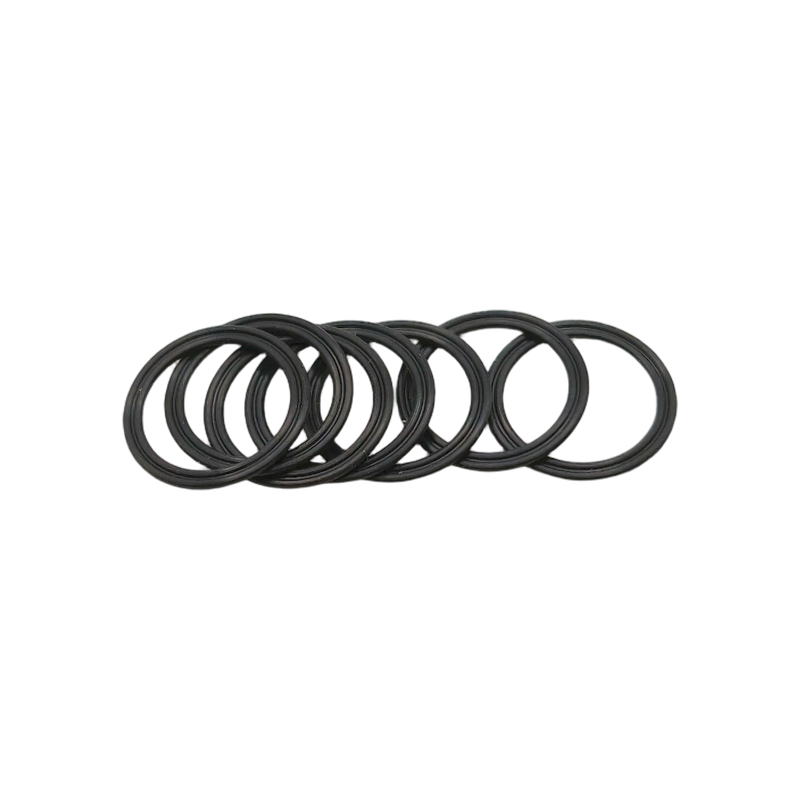
A properly developed waterproof connector seal design helps prevent external moisture from reaching conductive areas while maintaining reliable contact performance. The sealing structure must balance flexibility, compression force, and durability to work effectively under different operating conditions.
Why Are Connector Sealing Materials Important?
Material selection directly affects the service life of automotive connector seals. Different vehicle applications may require different rubber materials depending on temperature range, chemical exposure, and environmental conditions.
- Silicone rubber: Suitable for applications requiring temperature stability and flexibility.
- EPDM rubber: Provides strong resistance against weather conditions and moisture.
- FKM rubber: Performs well in applications involving chemicals and high temperatures.
- NBR rubber: Provides good oil resistance for specific environments.
The correct material helps connectors maintain sealing pressure after repeated temperature changes and mechanical stress. ASTM International testing methods commonly evaluate rubber materials through aging resistance and compression set performance to understand their long-term reliability.
How Does Connector Design Influence Waterproof Performance?
A successful sealing system depends not only on rubber material but also on overall design. Connector seals must match the housing structure, assembly method, and application requirements.
Engineers usually consider several design elements during development:
- Sealing profile: The shape of the seal determines contact pressure and leakage prevention capability.
- Compression ratio: Proper compression ensures the seal remains effective without excessive deformation.
- Installation accuracy: Correct positioning prevents twisting or damage during assembly.
- Environmental conditions: Temperature, vibration, and chemical exposure must be considered during design.
A professional EV component manufacturer needs to evaluate connector sealing performance from the early design stage. This approach helps reduce failure risks and improves the reliability of electric vehicle electrical systems.
What Quality Control Measures Improve Connector Seal Reliability?
Mass production of automotive sealing components requires strict quality control because small variations can affect final assembly performance. Reliable manufacturers usually apply multiple inspection methods to maintain consistency.
| Quality Control Process | Purpose |
|---|---|
| Dimensional inspection | Ensure accurate fitting with connector structures |
| Hardness testing | Verify material consistency |
| Compression set testing | Evaluate long-term sealing ability |
| Appearance inspection | Identify production defects |
Consistent manufacturing processes help prevent problems such as incomplete sealing, deformation, and premature aging. These factors are especially important for automotive applications where components are expected to operate reliably for many years.
How Can Rubber Manufacturers Support Better EV Connector Performance?
Reliable connector sealing requires cooperation between material engineering, mold development, and production management. Manufacturers with customized development capabilities can help optimize sealing structures based on specific vehicle requirements.
DOIT Rubber focuses on precision rubber sealing solutions for automotive applications, supporting customers with material selection, mold design, and manufacturing control. The company develops sealing components designed to improve waterproof protection and maintain stable performance in demanding environments.
Electric vehicle technology continues to evolve, and connector reliability will remain an important factor in vehicle safety and durability. Advanced sealing solutions help protect electrical systems from environmental challenges and support the future development of more reliable electric mobility.