

Industrial equipment often operates under continuous pressure, vibration, temperature changes, and chemical exposure. Although O-rings are small sealing components, their performance directly affects the reliability of pumps, valves, hydraulic systems, testing equipment, and precision machinery. When an O-ring fails, the result may include fluid leakage, equipment downtime, reduced efficiency, and unexpected maintenance costs.
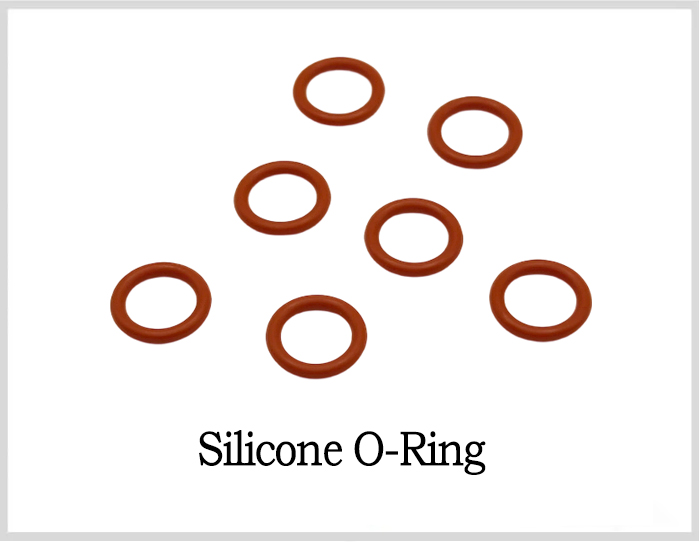
Understanding why sealing failures occur helps engineers and equipment manufacturers improve system reliability. Factors such as incorrect material selection, improper compression, surface damage, and unsuitable operating conditions can gradually reduce sealing performance.
According to research data from ASTM International, rubber sealing materials are commonly evaluated through compression set, tensile strength, hardness, and aging resistance tests because these properties directly influence long-term sealing capability. For an Industrial Equipment Buyer, understanding these failure factors is essential when selecting reliable sealing components for demanding applications.
Why Do Industrial O-Rings Experience Failure During Operation?
O-ring failure usually develops through a combination of mechanical stress and environmental factors. During equipment operation, seals must repeatedly withstand pressure changes, friction, temperature cycles, and chemical contact.
When the sealing material cannot maintain its original elasticity or shape, gaps may appear between connected components. These small gaps can gradually become leakage channels and reduce overall equipment performance.
| Common Failure Type | Main Cause | Possible Result |
|---|---|---|
| Compression Set | Long-term pressure and high temperature exposure | Loss of sealing force |
| Material Swelling | Chemical incompatibility | Seal deformation and leakage |
| Surface Cracking | Aging, ozone, or environmental exposure | Reduced durability |
| Extrusion Damage | Excessive pressure or incorrect clearance | Seal failure under operation |
A detailed Industrial O ring Failure Analysis helps manufacturers identify the root cause and improve future sealing designs.
How Does Material Selection Affect O-Ring Performance?
The rubber material determines how an O-ring responds to different working environments. Industrial equipment may involve oil, hydraulic fluids, chemicals, extreme temperatures, or outdoor exposure, requiring different material characteristics.
Common rubber materials used for sealing applications include:
- NBR rubber: Suitable for applications requiring oil resistance and mechanical strength.
- EPDM rubber: Provides strong resistance against water, weather conditions, and aging.
- FKM rubber: Performs well under high temperatures and chemical exposure.
- Silicone rubber: Maintains flexibility under wide temperature ranges.
Selecting unsuitable materials is one of the most common reasons behind premature seal failure. Proper material evaluation ensures that Rubber O Ring Seals can maintain performance throughout the expected service period.
What Installation Problems Can Cause O-Ring Leakage?
Even high-quality O-rings may fail when installation conditions are incorrect. Assembly processes directly influence sealing performance because improper handling can damage the sealing surface or create uneven compression.
Common installation-related issues include:
- Incorrect groove dimensions
- Insufficient lubrication during assembly
- Twisting or stretching during installation
- Damaged sealing surfaces
- Incorrect compression ratio
A properly installed O-ring should maintain stable contact pressure without excessive deformation. Engineering teams often evaluate groove design and assembly conditions during the product development stage to reduce potential leakage risks.
How Do Operating Conditions Influence O-Ring Lifespan?
Industrial equipment frequently works in challenging environments where sealing components experience continuous stress. Temperature, pressure, and chemical exposure all influence how long an O-ring can maintain effective performance.
| Operating Condition | Impact on O-Ring Performance |
|---|---|
| High Temperature | Accelerates material aging and hardening |
| High Pressure | Creates extrusion and deformation risks |
| Chemical Contact | May cause swelling or material degradation |
| Frequent Movement | Increases friction and wear |
Industrial applications such as Testing Pump Valves require sealing components that can maintain stability under repeated operation. Similar requirements also apply to Detection Device Seals used in precision testing environments.
How Can Manufacturers Improve O-Ring Reliability?
Improving O-ring reliability requires a combination of material engineering, structural optimization, and production control. Manufacturers need to evaluate the entire sealing system rather than focusing only on the rubber component itself.
Important improvement methods include:
- Application analysis: Evaluate temperature, pressure, fluid type, and working conditions before selecting materials.
- Precision mold production: Maintain accurate dimensions for consistent assembly.
- Quality testing: Verify hardness, elasticity, and aging resistance.
- Design optimization: Improve groove structure and compression performance.
These processes help ensure stable sealing performance in different industrial environments and reduce unexpected equipment failures.
Why Are O-Rings Important in Precision Industrial Equipment?
Many industrial systems depend on small sealing components to maintain safe and efficient operation. Equipment used in laboratories, inspection systems, and manufacturing processes requires reliable protection against leakage and contamination.
For example, Lab Equipment Gaskets and Testing Instrument Sealing Parts require precise dimensions and stable material performance because even minor sealing problems may affect measurement accuracy or equipment reliability.
The demand for customized sealing solutions continues to grow as industrial equipment becomes more specialized. Manufacturers must consider application conditions, material properties, and production consistency when developing sealing components.
How Does DOIT Rubber Support Industrial O-Ring Applications?
DOIT Rubber develops customized rubber sealing components for industrial applications by combining material knowledge, precision molding technology, and strict quality control processes. The company supports different industries with sealing solutions designed for durability, stability, and long-term performance.
Reliable O-ring performance depends on multiple factors, including correct material selection, accurate manufacturing, and proper application design. A complete understanding of failure causes helps engineers reduce maintenance problems and improve equipment reliability.
Advanced sealing solutions provide essential protection for modern industrial systems. Through continuous improvement of materials and manufacturing processes, precision rubber components can deliver more stable performance in demanding operating environments.