

Medical equipment depends on thousands of components working together to achieve safe and stable performance. Among these components, silicone sealing parts play an important role in preventing leakage, protecting internal structures, and maintaining reliable operation during repeated use. Although sealing components are often small, their quality can directly influence the overall performance of medical devices.
Selecting a suitable silicone supplier requires careful evaluation of material capability, production accuracy, quality management, and engineering support. Medical equipment developers need partners who understand strict application requirements and can provide consistent solutions for different device structures.
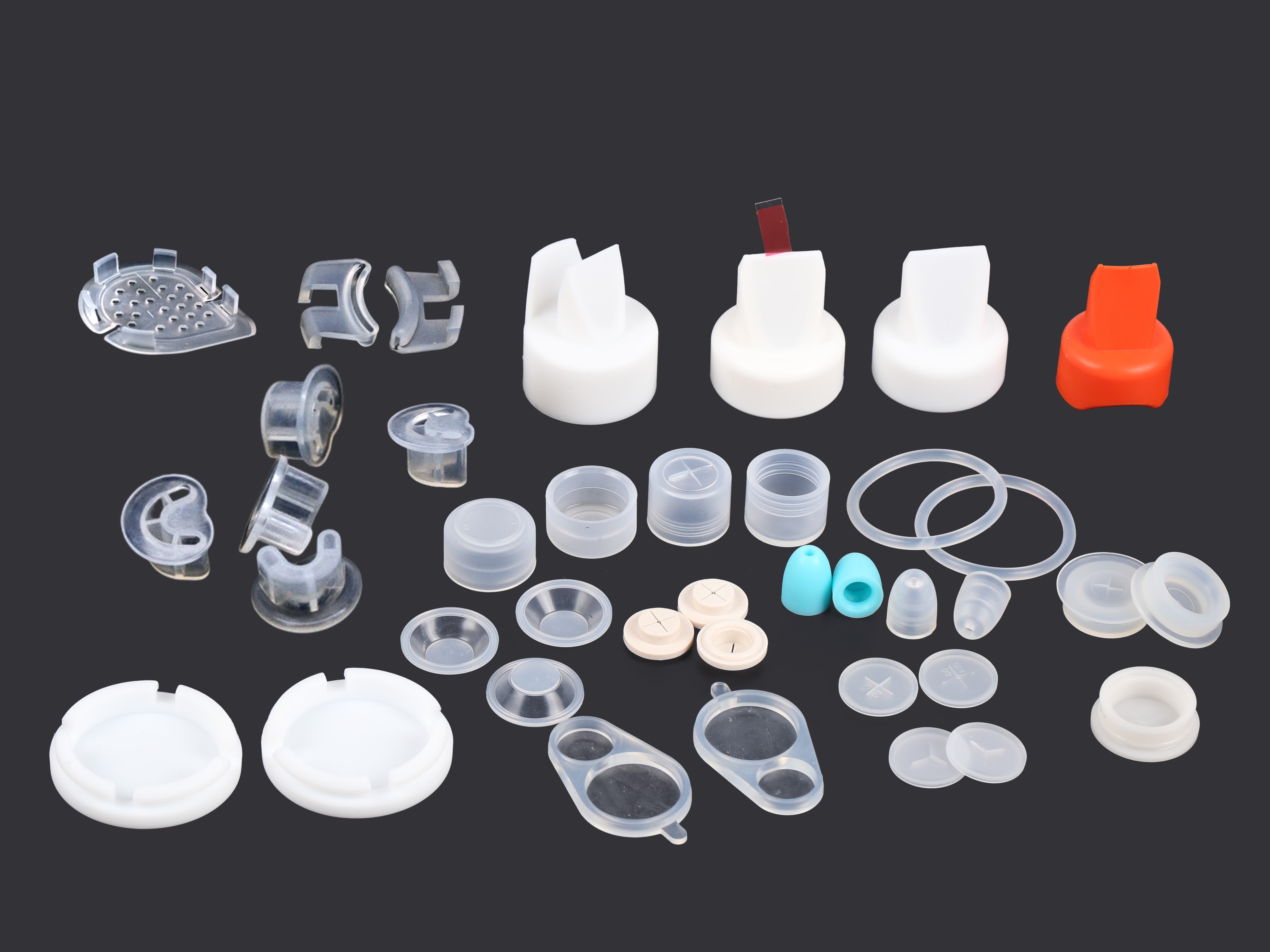
According to the World Health Organization (WHO), global healthcare demand continues to increase as medical technologies become more widely applied. This growth has created higher requirements for precision components that support equipment reliability, safety, and durability.
High-quality medical silicone parts provide essential protection for healthcare equipment by maintaining sealing performance under demanding conditions such as sterilization, temperature variation, and repeated operation.
What Should Medical Companies Evaluate When Selecting Silicone Seal Suppliers?
Supplier selection involves more than checking product samples or manufacturing prices. Medical equipment companies usually evaluate whether a supplier has the technical ability to transform design requirements into stable production results.
A reliable supplier should understand the relationship between silicone properties, sealing structures, and application environments. This knowledge helps prevent performance issues caused by incorrect materials or unsuitable designs.
| Supplier Evaluation Area | Key Importance |
|---|---|
| Material capability | Ensures silicone properties match medical requirements |
| Manufacturing precision | Improves component consistency and assembly accuracy |
| Quality control | Reduces production variation and potential failures |
| Customization support | Meets different equipment design requirements |
A professional medical silicone seal supplier should provide comprehensive support from material selection and prototype development to final production.
Why Is Silicone Material Performance Important in Medical Devices?
Medical environments require materials that can maintain stable properties during long-term use. Silicone is widely selected because it provides flexibility, chemical stability, temperature resistance, and reliable sealing performance.
Medical equipment may experience repeated cleaning, sterilization, pressure changes, and mechanical movement. These conditions require sealing materials that can recover their shape after compression and maintain effective contact over time.
- Temperature resistance: Supports applications involving heating and sterilization processes.
- Elastic recovery: Maintains sealing force after repeated compression.
- Chemical stability: Provides resistance against cleaning agents and medical fluids.
- Biocompatibility potential: Supports applications requiring strict material safety evaluation.
ISO 10993 standards are widely referenced for evaluating biological safety of materials used in medical devices. These requirements demonstrate why material selection is a critical step when developing silicone components for healthcare applications.
How Does Manufacturing Capability Influence Medical Silicone Quality?
Medical components require consistent production because dimensional differences may affect equipment assembly and sealing performance. Precision manufacturing helps ensure every component meets the required specifications.
The manufacturing process normally includes several important stages:
- Product design analysis: Understanding sealing requirements based on equipment structure.
- Mold development: Creating accurate tooling for stable production.
- Silicone molding: Controlling dimensions and surface quality.
- Inspection process: Verifying product consistency before delivery.
Manufacturers with strong engineering capability can support customized solutions such as Silicone Medical Components designed for specific medical equipment applications.
Which Quality Standards Matter for Silicone Seal Suppliers?
Quality management is essential for medical component production because failures may affect equipment reliability and user safety. A professional supplier should establish systematic inspection procedures throughout the manufacturing process.
| Testing Method | Purpose |
|---|---|
| Dimensional inspection | Confirms accurate fitting with equipment structures |
| Hardness testing | Checks silicone material consistency |
| Compression testing | Evaluates long-term sealing performance |
| Aging evaluation | Measures durability under environmental stress |
ASTM International testing methods are commonly used to evaluate rubber and silicone materials, including mechanical properties and aging resistance. These evaluations help manufacturers improve reliability and maintain stable product quality.
How Does Custom Design Improve Medical Sealing Performance?
Different medical devices have unique internal structures and operating requirements. Standard sealing products may not always provide the required dimensions, flexibility, or performance characteristics.
Customized sealing development allows manufacturers to optimize components according to:
- Equipment installation space
- Required sealing pressure
- Operating temperature conditions
- Cleaning and sterilization requirements
- Expected product lifespan
Customized solutions are especially valuable for applications involving Medical Seals, where precision and reliability are essential for maintaining equipment performance.
What Other Components Require Reliable Silicone Sealing Solutions?
Medical equipment includes many systems that require effective sealing protection. Components such as fluid control modules, testing instruments, and protective structures all depend on stable sealing performance.
Related components including Universal Gaskets are often used to provide additional protection against leakage and environmental contamination. Understanding basic sealing principles is an important part of evaluating medical equipment design requirements.
Manufacturers and engineers can improve product development efficiency by understanding Medical Equipment Basics, including how sealing materials interact with different device structures and operating environments.
How Can Companies Identify a Reliable Healthcare Component Partner?
A suitable supplier should provide both manufacturing capability and technical communication support. Medical equipment companies often evaluate suppliers based on long-term cooperation potential rather than short-term production capability.
| Supplier Capability | Expected Benefit |
|---|---|
| Engineering communication | Improves development efficiency |
| Stable production system | Supports consistent supply |
| Material expertise | Reduces selection risks |
| Quality tracking | Improves product reliability |
An experienced Healthcare Equipment Supplier can help medical equipment developers achieve better product performance through reliable materials, accurate manufacturing, and effective quality management.
How Does DOIT Rubber Support Medical Silicone Applications?
DOIT Rubber provides customized silicone sealing solutions for medical equipment applications by combining material knowledge, precision molding technology, and production quality control. The company focuses on developing silicone components that meet different requirements for durability, flexibility, and sealing performance.
The selection of a silicone supplier directly influences the reliability of medical equipment. Professional manufacturing capability, strong material understanding, and strict quality management help ensure that sealing components perform consistently throughout their service life.
As healthcare technology continues to evolve, precision silicone solutions will remain an important part of medical equipment development. Reliable sealing components support safer operation, improved durability, and higher performance standards across modern healthcare applications.