

Electronic products are becoming increasingly compact, intelligent, and performance-focused. As devices become smaller while requiring higher durability, traditional standard components may not always meet complex design requirements. Custom silicone components provide manufacturers with flexible solutions for improving protection, sealing performance, and overall product reliability.
Silicone materials are widely used in electronic applications because of their excellent elasticity, temperature resistance, insulation properties, and environmental durability. From protective covers and sealing parts to vibration-control components, customized silicone solutions help electronic products maintain stable performance under different operating conditions.
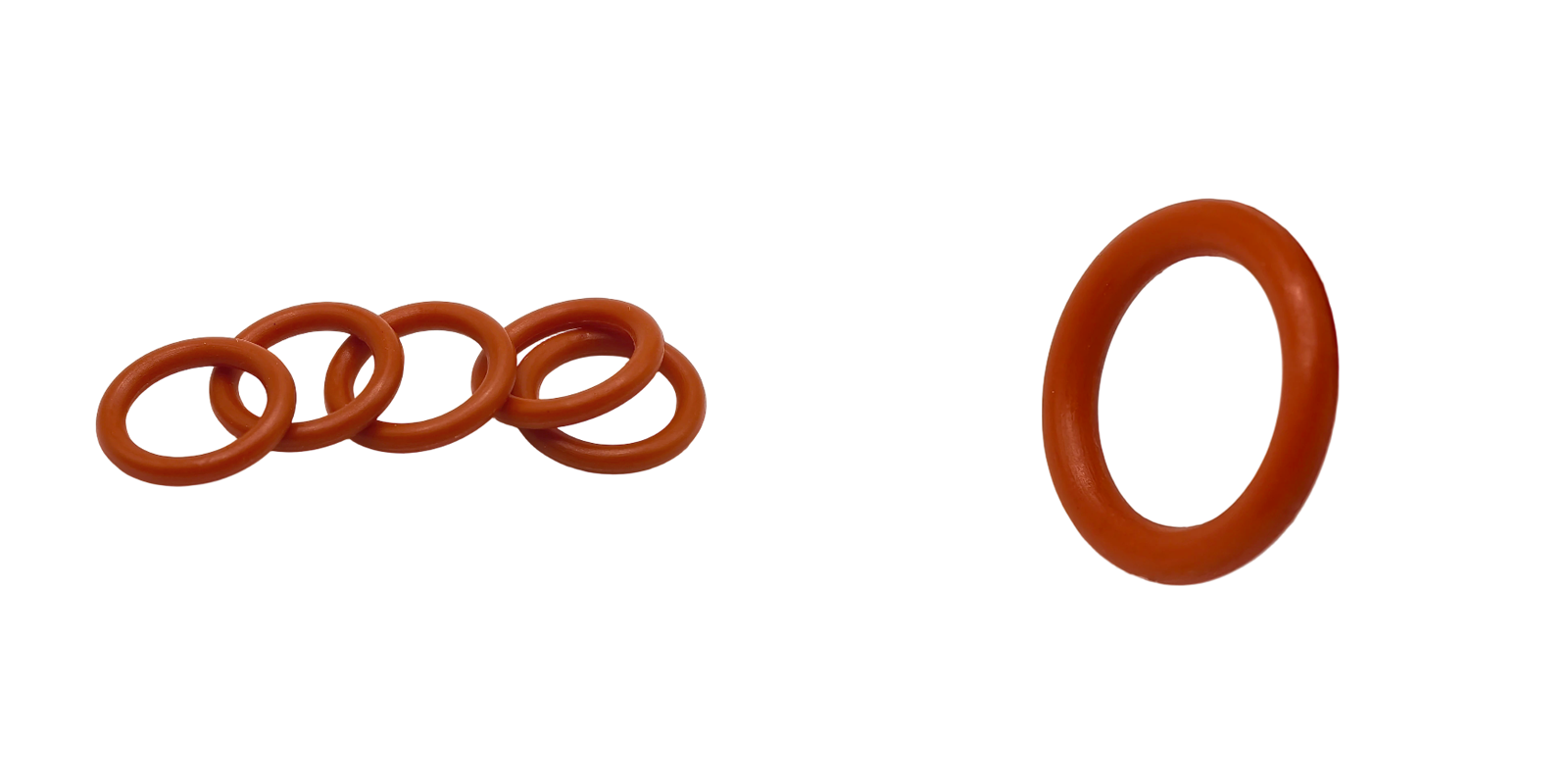
According to research data from the International Data Corporation (IDC), global demand for electronic devices continues to expand as industries adopt smart technologies and connected systems. This trend increases the need for precision components that can support product durability and reliability throughout the product lifecycle.
For manufacturers operating in the Electronic Equipment Industry, customized silicone development provides opportunities to optimize product structures, improve user experience, and reduce potential failures caused by unsuitable standard components.
Why Are Custom Silicone Components Important for Electronic Products?
Electronic equipment often faces challenges such as dust exposure, moisture, vibration, temperature changes, and repeated mechanical stress. Silicone components help protect sensitive internal structures by creating reliable barriers and improving product durability.
Standard silicone parts may not always match specific product designs. Different electronic devices require different shapes, thicknesses, hardness levels, and sealing structures. Customized manufacturing allows engineers to develop components based on actual application requirements.
| Application Requirement | Benefit of Custom Silicone Components |
|---|---|
| Special product structure | Provides accurate fitting and optimized design |
| Environmental protection | Improves resistance against dust and moisture |
| Mechanical protection | Reduces impact and vibration damage |
| Long-term operation | Maintains stable performance over time |
The flexibility of silicone materials allows manufacturers to create solutions that match specific product requirements rather than adjusting products around limited standard components.
How Does Silicone Material Improve Electronic Device Performance?
Silicone provides several advantages that make it suitable for demanding electronic applications. Its physical properties allow components to maintain functionality under changing environmental conditions.
Important silicone characteristics include:
- Temperature stability: Maintains performance across wide temperature ranges.
- Electrical insulation: Helps protect sensitive electronic circuits.
- Elastic recovery: Returns to original shape after compression or deformation.
- Weather resistance: Provides durability against humidity, UV exposure, and aging.
These advantages make silicone suitable for applications across the Industry of Electronic Devices, where component reliability directly affects product quality and user satisfaction.
Material testing standards from ASTM International evaluate silicone properties through methods such as tensile strength testing, compression analysis, and aging evaluation. These tests help manufacturers confirm whether silicone materials can meet specific application requirements.
What Products Use Custom Silicone Components?
Customized silicone parts are used in various electronic applications because they can be designed according to different structural and performance requirements.
| Electronic Application | Role of Silicone Components |
|---|---|
| Electronic control equipment | Provides protection and sealing functions |
| Consumer electronic devices | Improves durability and product appearance |
| Industrial electronic systems | Supports vibration resistance and environmental protection |
| Smart devices | Enhances structural integration and reliability |
The growing complexity of electronic products has increased demand for customized solutions. Manufacturers require components that can integrate seamlessly with unique product designs.
Why Is Custom Design Better Than Standard Silicone Parts?
Standard silicone components are suitable for general applications, but customized parts provide greater flexibility when products require specific performance characteristics.
Custom design allows engineers to optimize:
- Component dimensions and geometry
- Material hardness and flexibility
- Surface texture and appearance
- Assembly compatibility
- Environmental resistance
For electronic manufacturers, customized silicone development can reduce design limitations and improve production efficiency. This approach is especially valuable in the Electronic Equipment Industry, where product differentiation and reliability are important factors.
How Does Silicone Component Manufacturing Ensure Product Quality?
Reliable silicone production requires precise control throughout the entire manufacturing process. Material preparation, mold accuracy, molding technology, and inspection procedures all influence final component performance.
Professional silicone component manufacturing usually includes several important stages:
- Design evaluation: Analyze product structure and application requirements.
- Mold development: Create accurate tooling for stable production.
- Production control: Maintain consistent material and dimensional quality.
- Quality inspection: Verify appearance, performance, and reliability.
| Manufacturing Process | Quality Purpose |
|---|---|
| Material mixing | Maintains consistent silicone properties |
| Precision molding | Improves dimensional accuracy |
| Product inspection | Reduces defective products |
Strict manufacturing control helps ensure silicone components meet the requirements of complex electronic products.
How Should Electronics Companies Select a Silicone Component Partner?
Selecting a suitable supplier requires evaluation of technical capability, production experience, and customization ability. Electronic product developers need partners who can support the complete process from design communication to mass production.
Key evaluation factors include:
- Experience with customized silicone development
- Ability to provide engineering recommendations
- Stable production capability
- Quality management systems
- Flexible support for different product requirements
A reliable electronics OEM supplier should understand both silicone manufacturing technology and electronic product application requirements. This combination helps create components that improve product performance and reduce development risks.
How Does DOIT Rubber Support Electronic Silicone Component Development?
DOIT Rubber provides customized silicone solutions for electronic applications by combining material expertise, precision molding technology, and manufacturing quality control. The company develops silicone components based on different product structures, environmental requirements, and performance expectations.
Customized silicone solutions are becoming increasingly important as electronic products continue to evolve. From protective structures to sealing applications, reliable silicone components help manufacturers improve product durability and operational stability.
Advanced silicone manufacturing technology supports innovation across the Electronic Devices Sector by providing flexible, durable, and precisely engineered components. Through customized design and controlled production processes, silicone parts help electronic products achieve higher reliability and longer service life.