

A rubber sealing component may look simple, but its performance depends heavily on the accuracy of the mold behind it. Many sealing failures are not caused by the rubber material itself, but by improper mold structure, inaccurate dimensions, poor venting design, or unstable production processes. Professional mold engineering has become a critical part of developing a reliable custom rubber seal for demanding applications.
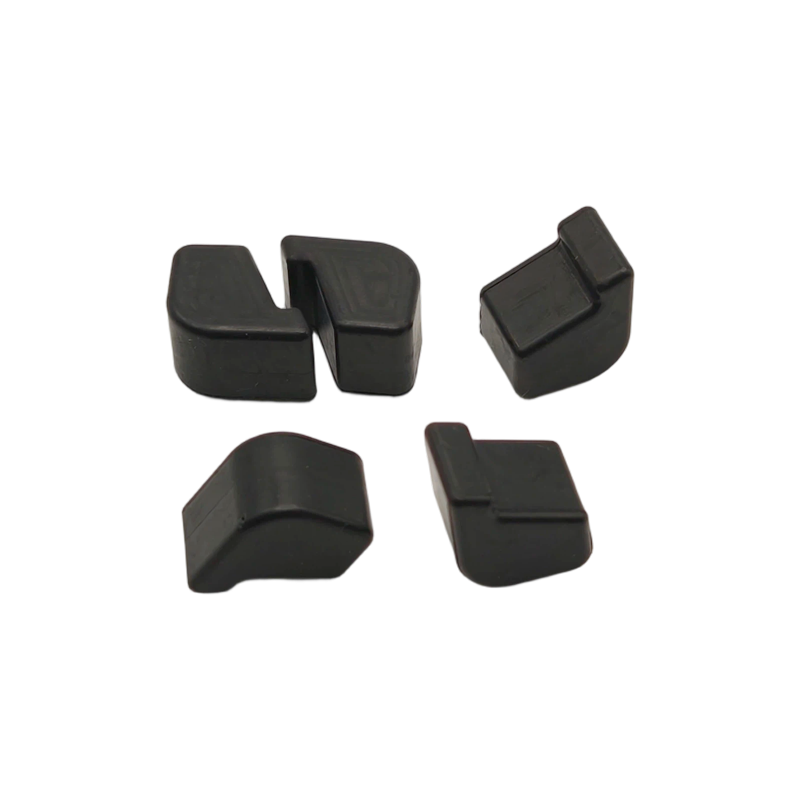
Modern sealing systems require more than basic molding capability. According to industry manufacturing studies, dimensional variation of rubber components can directly influence sealing performance, especially when tolerance requirements are below ±0.05 mm. A well-designed mold helps control compression ratio, surface quality, flash level, and repeatability during mass production.
Why Mold Design Directly Affects Rubber Seal Performance
Rubber materials have unique characteristics such as elasticity, shrinkage after curing, and sensitivity to temperature and pressure. Unlike rigid plastic components, rubber parts cannot simply rely on machining accuracy. The mold must be designed according to material behavior and final application requirements.
A professional rubber seal mold design service considers several technical factors before production begins:
- Mold cavity accuracy and dimensional compensation for rubber shrinkage
- Material flow direction during compression or injection molding
- Parting line position to minimize unwanted flash
- Vent structure to prevent air trapping defects
- Surface finishing requirements for sealing contact areas
When these elements are optimized, manufacturers can achieve better sealing reliability, longer service life, and more stable production results.
The Hidden Cost of Poor Rubber Mold Design
A poorly designed mold may create problems that appear only after thousands of parts enter production. Common issues include leakage, uneven compression, inconsistent dimensions, and increased rejection rates.
| Mold Design Issue | Possible Production Impact |
| Incorrect shrinkage calculation | Size variation and sealing failure |
| Poor venting structure | Air marks and incomplete molding |
| Unoptimized cavity design | Higher waste rate and unstable output |
| Improper parting line design | Excess flash and additional trimming cost |
For manufacturers developing precision components, investing in mold engineering at the beginning can significantly reduce long-term production risks. Research from manufacturing quality organizations shows that improving process control during the early design stage can reduce production defects by more than 30% in precision manufacturing environments.
How Professional Mold Engineering Supports Different Industries
Different applications require different sealing solutions. Automotive systems, medical equipment, electronic devices, and industrial machines all have unique requirements for temperature resistance, compression performance, chemical compatibility, and durability.
For example, automotive applications often require stable sealing performance under vibration, temperature changes, and long operating cycles. Precision automotive seals require accurate mold structures to maintain consistent dimensions during large-volume production.
Electronic and optical applications usually require smaller and more precise components. Products such as Automotive Lens Sealing Ring depend on accurate mold control because even minor dimensional changes may affect waterproof performance and assembly reliability.
In fluid control systems, a high-quality Precision O-ring requires not only suitable rubber material but also precise cavity design to maintain uniform compression and prevent leakage during operation.
What Makes a Reliable Rubber Seal Mold Process
A professional manufacturing process usually starts before the mold is created. Engineers analyze product drawings, application conditions, rubber characteristics, and production requirements to determine the best molding solution.
- Engineering evaluation: Analyze sealing structure, tolerance requirements, and operating environment.
- Mold development: Create accurate tooling based on material properties and production targets.
- Prototype validation: Test dimensions, assembly performance, and sealing capability.
- Production optimization: Improve cycle stability and maintain batch consistency.
This complete process allows a custom rubber parts manufacturer to provide more reliable solutions instead of simply producing rubber pieces based on drawings.
Why Mold Capability Matters When Developing Custom Rubber Components
The mold is the foundation of rubber component manufacturing. Even premium rubber materials cannot deliver expected performance without accurate tooling and process control.
Manufacturers with strong mold development capabilities can support customers from early design evaluation to stable mass production. This approach reduces development risks, improves product consistency, and creates better long-term reliability for sealing applications.
Professional mold design is not only about creating a shape; it is about building a controlled manufacturing system that ensures every rubber seal performs according to its intended purpose. For companies requiring dependable sealing solutions, selecting an experienced partner with engineering capability is an important step toward achieving stable quality and efficient production.